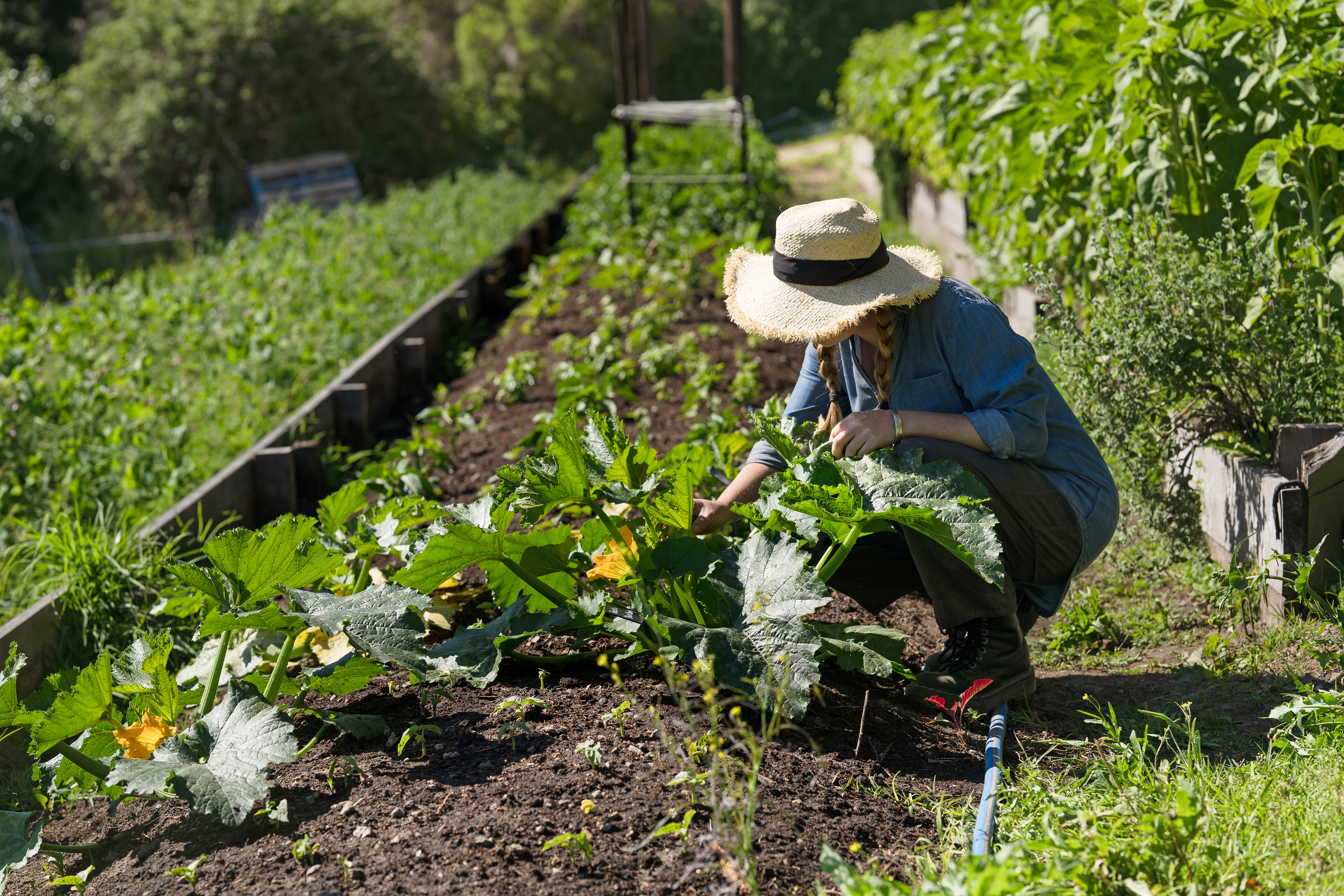
Heirloom seeds travel through time the way old stories do – passed hand to hand, season to season, shaped by the gardens and gardeners who care for them. Saving seed is both a practical skill and a quiet act of conservation, and every time a gardener tucks a handful of kernels or beans away for next year, they’re continuing a lineage that may stretch back generations. It’s one of the simplest, most democratic traditions in horticulture, yet it forms the backbone of our edible and ornamental plant diversity.
Heirloom, open-pollinated and hybrid: what’s the difference?
At the heart of seed saving sits a trio of terms that often get tangled together: heirloom, open-pollinated and hybrid. Heirlooms are the old cultivars with a story – named varieties that have been passed down for at least 50 years, sometimes much longer. Their flavour, form and quirks have survived because gardeners loved them enough to keep replanting them. Every heirloom is open-pollinated, meaning its flowers are pollinated naturally by wind, insects, or gravity. Open-pollinated plants reproduce with genetic consistency, so the seed you collect will grow plants true to type, provided they haven’t been accidentally crossed with a neighbour.
Hybrids are different creatures altogether. They’re the result of deliberate, controlled crosses between two distinct parents to achieve specific traits – vigour, disease resistance, uniform fruit, or colour – most of the time at the expense of flavour. Hybrid seed performs beautifully in its first season, but its offspring split like an unruly deck of cards. Saving seed from hybrids usually leads to unpredictable results, because the next generation won’t resemble the plant you started with. It’s not ‘wrong’ – just genetically unstable – so hybrid varieties are best grown fresh from purchased seed each year.
Maintaining purity: isolation methods and distances
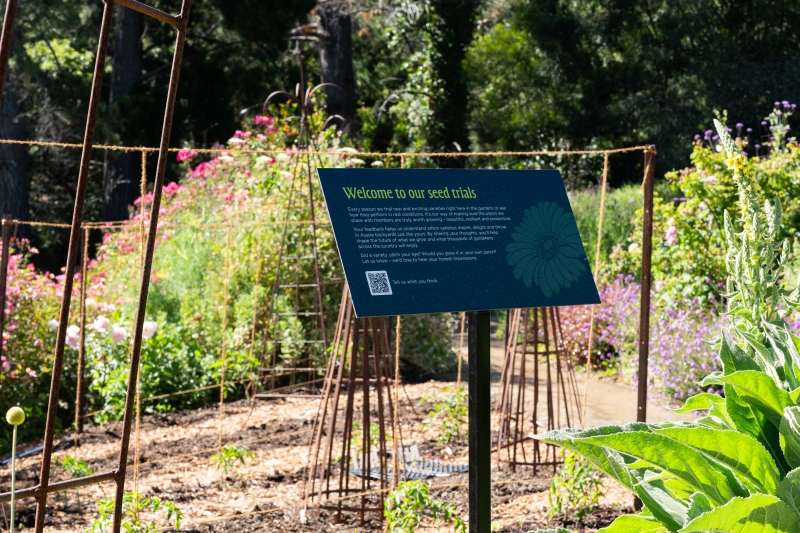
For gardeners keen to save seed that stays true, a little gentle orchestration in the garden goes a long way. Plants within the same species love to mingle, and pollen doesn’t recognise fence lines. To protect the integrity of an heirloom tomato or your favourite pumpkin, you need either distance or barriers.
Isolation distance varies depending on the species and its pollination habits. Tomatoes, for example, are mostly self-pollinating, with flowers that conveniently keep their pollen tucked in. They rarely cross in the home garden so you can save seed from multiple varieties planted 6–8 metres apart with little trouble. Peppers, on the other hand, are more open to the whims of bees and benefit from at least 150 metres between varieties if you want reliable purity.
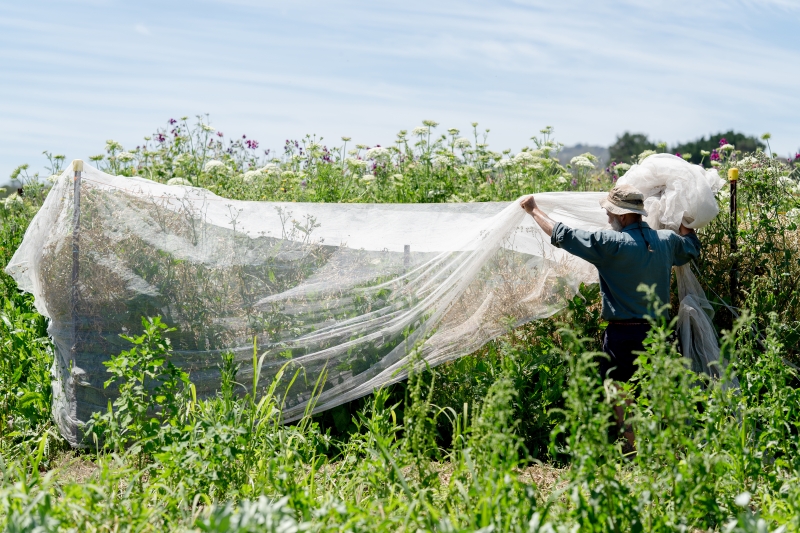
Then there are the roaming pollinator favourites – pumpkins, zucchinis, cucumbers and melons. These cucurbits cross with the enthusiasm of social bees. Separating them by 500 metres or more is the gold standard, but most gardeners don’t have that kind of room. Fortunately, there are workarounds. Bagging flowers before they open, then hand-pollinating and re-bagging them until the fruit sets, gives you complete control over parentage. It’s slightly fiddly, but immensely satisfying.
When to save seeds
Timing matters too. Seeds need to reach full maturity before they’re collected.
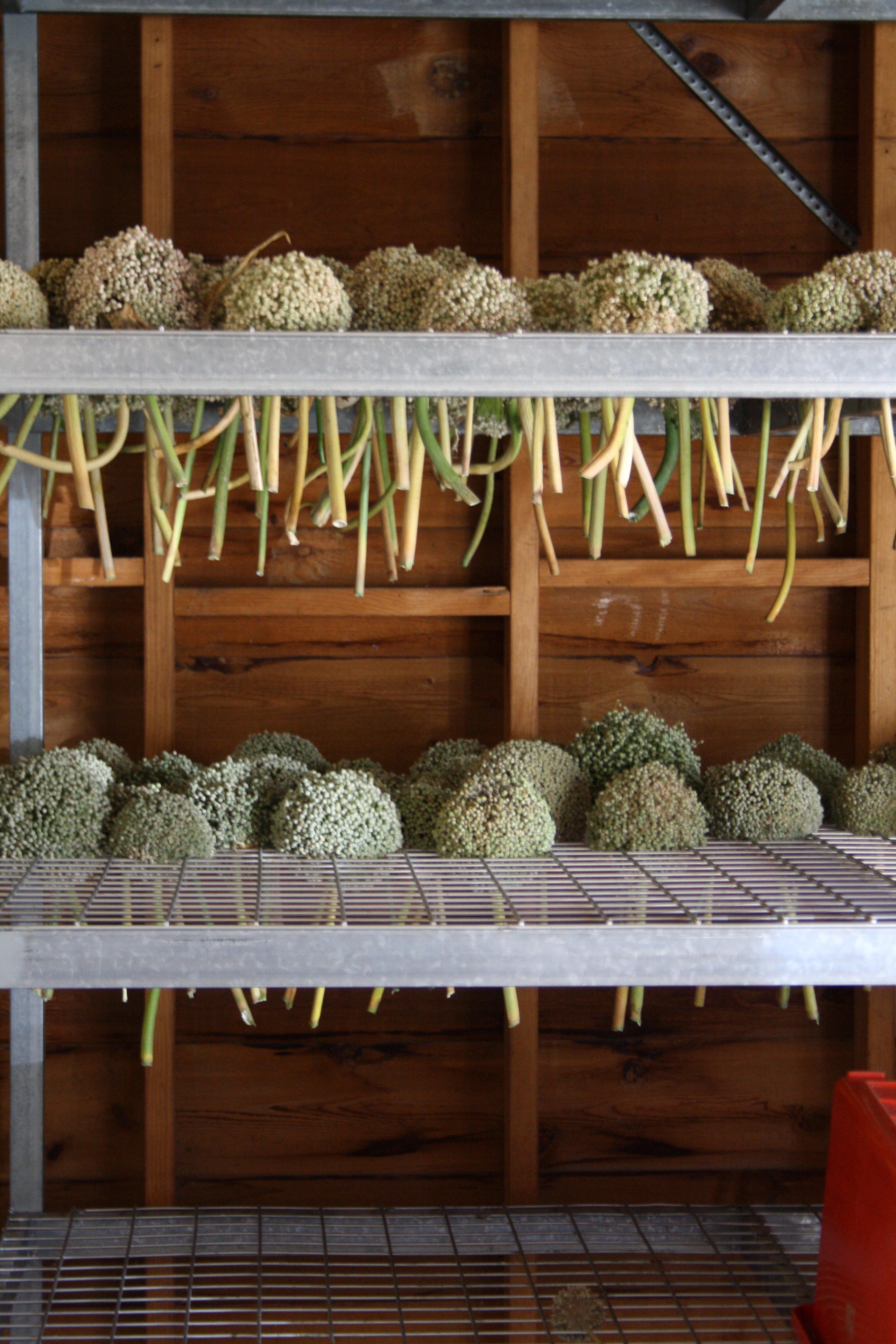
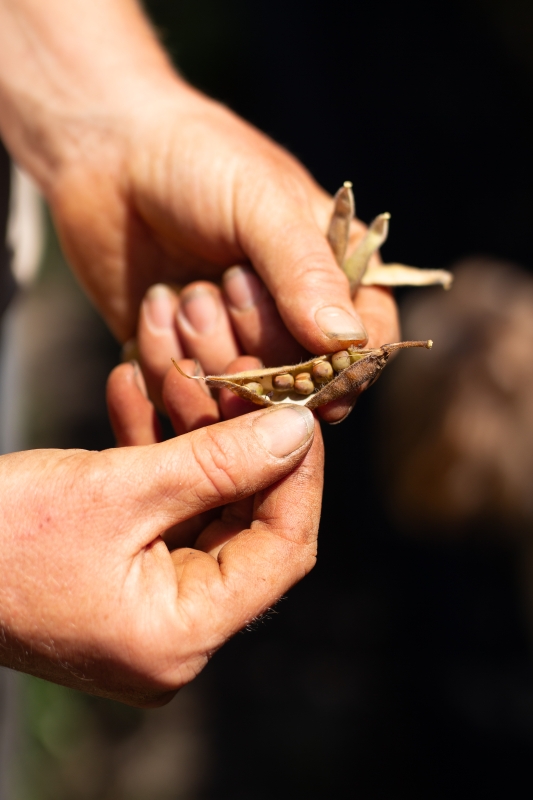
That means allowing fruit to ripen fully – sometimes even past the eating stage. Tomatoes are best left on the vine until they’re soft and richly coloured. Cucurbits destined for seed should be left on the plant longer than you would leave them for the kitchen; pumpkins and squash should harden off completely. For peas and beans, wait until the pods rattle dry on the vine. Lettuce and brassica seed heads need to brown, dry and almost fall apart in your hand.
The reward for this patience is seed with long viability and vigour. Proper drying is essential: spread seed out somewhere warm, airy and shaded until it snaps or shatters under pressure. Once fully dry, store it in airtight containers in a cool, dark place. Well-kept seed can last years – sometimes decades – without losing its spark.
Why save your own seeds?
The real magic, though, unfolds slowly over seasons. When you save seed from plants thriving in your specific soil, aspect, microclimate and care, you’re effectively shaping the variety to your place. Over time, the seed becomes a local specialist, better adapted to your conditions than anything purchased off the shelf. That’s evolution at garden scale.
There’s also the deeper reward: self-reliance. Seed saved at home shortens supply chains, lowers input costs and preserves varieties that may otherwise vanish. Many favourite heirlooms survive only because ordinary gardeners refused to let them disappear.
Seed saving is not just a technique; it’s stewardship. Every jar of seed tucked away for next season strengthens the genetic diversity of our food crops and keeps alive the flavours, colours and traits that have been shaped over centuries.
In a world where uniformity often triumphs, saving heirloom seed is a quiet, powerful way to keep diversity thriving – one garden, and one seed, at a time.