

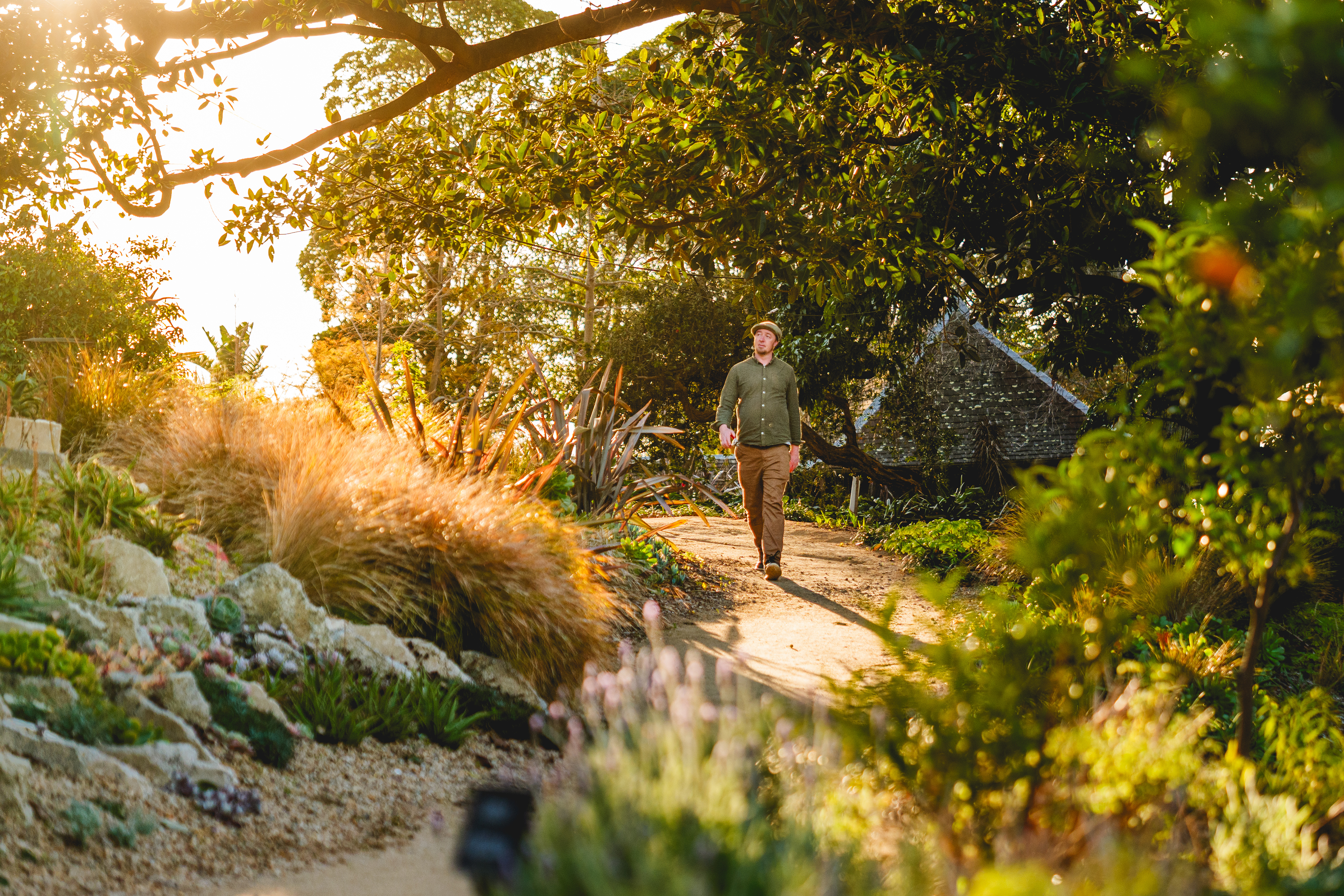
“Why do we garden? We garden because it’s our way of making a difference. It’s our way of connecting with nature and doing something good for the planet, our way of fighting climate change by putting carbon into the soil and improving the soil. It’s our way of growing our food and making sure we have the freshest, healthiest food that we could possibly have by growing it ourselves.”
Diggers’ head of gardens, Julian Blackhirst, knows better than most what lies at the heart of our ‘why’. After almost two decades with his hands in our soil, Julian lives and breathes our deep sense of purpose that gardening is not only good for the soul, it’s good for the planet. Gardeners play a vital role in the environmental stewardship of where and how we live.
“I think it’s a really important part of gardening – the environmental aspect of it, people want to connect with nature, they want to get involved and immerse themselves in nature, particularly with things like climate change and global warming confronting us. I think people see it as something they can do personally at home, to do their little bit for the environment.”
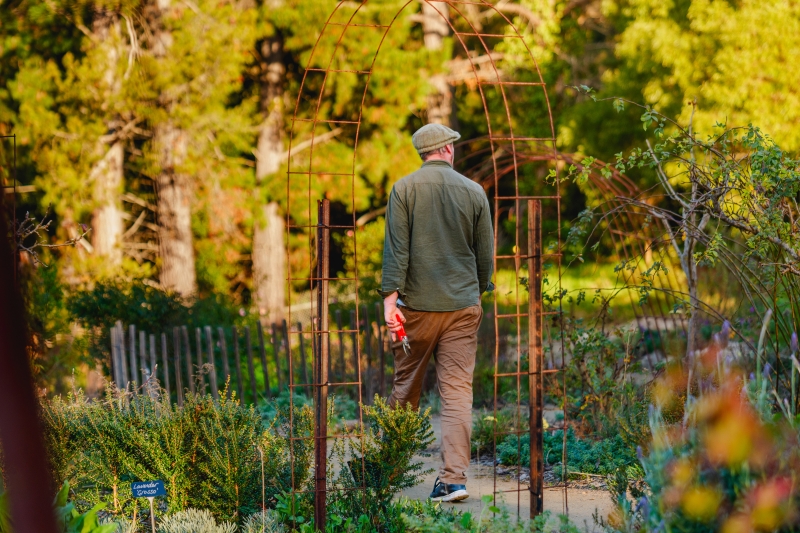
Growing up on a small dairy farm with a large vegie patch laid the foundation for Julian’s lifelong love of gardening. It’s also given him a ringside seat to what he describes as the quiet revolution changing the way we think about food security – from food miles to food production, and where and how we source what we eat.
“There’s a gardening revolution going on in Australia, and across the world. In Australia, half the people are growing their own food and I think it really gives people control over their food supply, which they may feel they have lost.
There are many reasons for people to get out in the garden: it’s really good for you and gives you food that you can only get by growing yourself,” Julian says.
It’s a revolutionary ethos that we’ve championed for almost 50 years at Diggers, and proudly carrying forward in our next generation of specialist gardeners. Sarah Penno is the lead gardener at Heronswood and brings a deep passion to ensure people have the power to control what we eat.
“I find it very important that when it comes to food production, we keep the power to feed ourselves in our own hands so that it does not get overly commercialised or corporatised. I think a lot of awareness has come to light nowadays in terms of what goes into all the hidden elements that may go into your supermarket foods. It’s about taking back control over what goes into our bodies, what nourishes our children, and understanding every step of the food journey – something that feels incredibly meaningful to people today,” says Sarah.
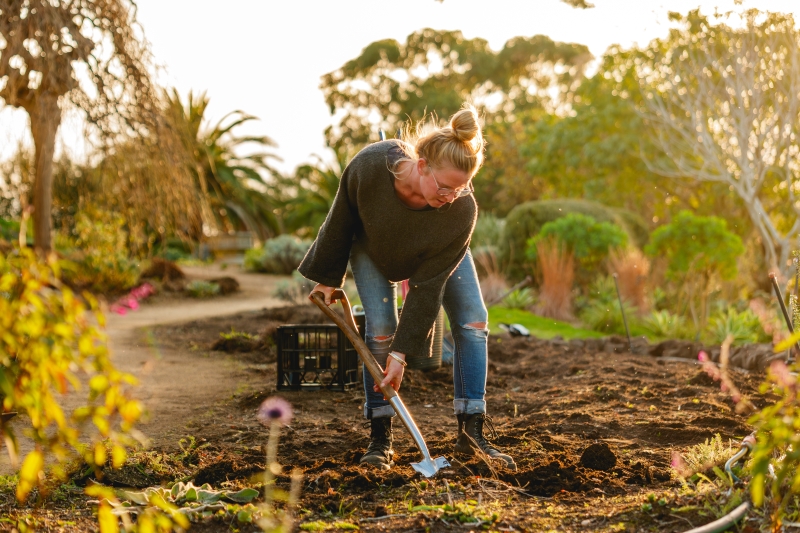
Preserving the biodiversity of our food sources through saving heirloom seed varieties has been central to the Diggers’ philosophy since our journey began in the late 1970s. As a 30-something gardener, Sarah represents the new face of the gardening revolution, drawing on age-old traditions with sustainability and seed preservation at its core.
“I feel like the sustainability aspect is definitely huge in terms of non-GMO and also organic produce – that is huge for people. But in terms of keeping the seeds strong and adaptable to climate change, I know there’s still more education required and I’m very glad to be in a position where I can share that knowledge with people,” Sarah says.
While seed-saving goes some way to safeguarding genetic diversity in plant varieties, adapting to a changing climate is placing further pressure on the robustness and resilience of our food supply, something our gardeners see close up.
Julian works across all three of our Victorian-based sites, taking in a broad range of geological, ecological and environmental growing conditions – from the Mediterranean coastal conditions at Heronswood on the Mornington Peninsula, to the cool-climate gardens of Cloudehill in the Dandenong Ranges, to the basalt soils of The Garden of St Erth in Blackwood. Julian’s insights on the impact of a changing climate on what and how we grow reveal an even greater urgency to preserve and protect the integrity of our food supply.
“Since the beginning of the 20th century, we’ve lost over 95% of our seed varieties. The modern varieties are owned and controlled by large companies, so it’s really important that we save seeds to ensure we have public ownership of our food supply and our seed inheritance,” says Julian.
“Within the heirloom seed varieties we offer, there is such enormous genetic diversity and they are the most adaptable plants. That’s how they’ve come about – we’ve selected the traits that we wanted over very long periods of time and kept breeding those traits. It’s especially important now, with issues like climate change, that we keep these seeds so we can select the most resilient, healthiest, and most delicious varieties at every generation. The more we keep doing it, the more adaptable they are to a changing climate in our Australian soil, to the unique microclimate that we’re gardening in.”
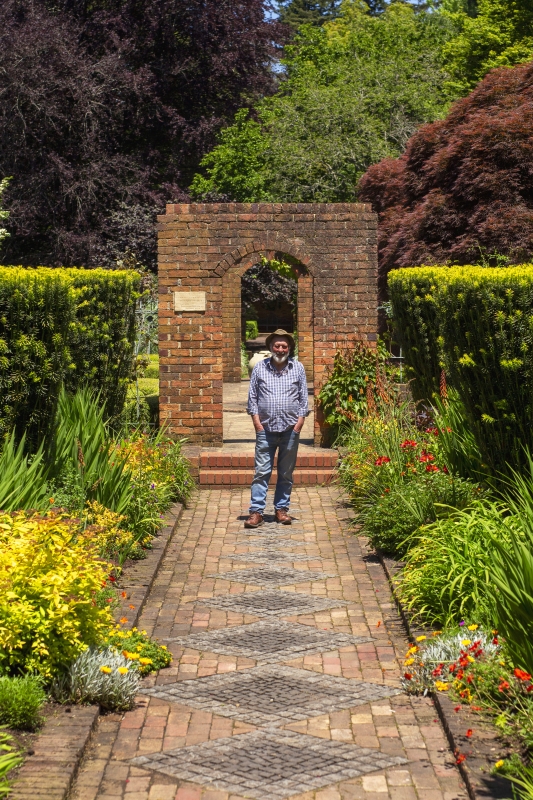
But, as our gardening community knows, to understand our growing future we need to learn from the practices of the past. And it’s a story as old as time itself, steeped in ancient traditions.
Jeremy Francis is the founder and lead gardener at Cloudehill, our signature garden in Olinda in Victoria’s Dandenong Ranges. A former farmer in WA, Jeremy’s personal philosophy stems from a deep belief that you treat the land as you would have it treat you.
“The thing about farming was to take a piece of land and make sure you left it in a better condition than when you began work on it. That might be a five-year or a lifetime project and that was important to how I was farming before selling and moving to the Dandenongs to set up Cloudehill,” says Jeremy. “So, I see a continuity in my life – although everyone says, ‘How on earth can you be growing wheat and sheep and then move to five acres of garden, there’s no connection?’ Oh, yes, there is a connection, actually,” Jeremy says. “It’s a connection Jeremy believes is increasingly shaped by the ‘caring for country’ principles of First Nations custodianship, which place the land at the centre of everything we do. He cites Bill Gammage’s ground-breaking book, The Greatest Estate on Earth, for its insights into the horticultural wisdom of Australia’s First Peoples.
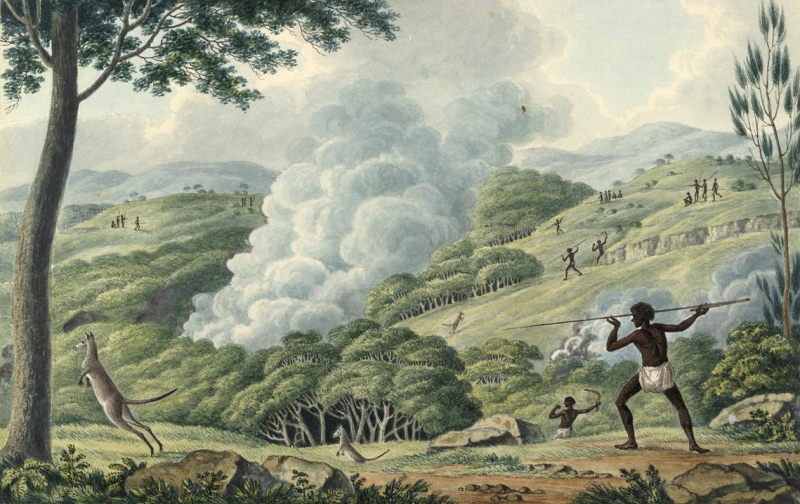
“I think gardening actually is important – I’ve had something in my mind for 10 to 12 years since spending some time with Bill Gammage about Aboriginal Australia and the fact that all of this continent looked like a garden to the people arriving from England in the very first years of settlement. And why was that? Well, that was about Aboriginal mosaic burning, but it was also about how Aboriginal people felt about the land.
The idea of living in the landscape and giving back to it – that reciprocity at the heart of culture is really, really important. And we should be feeling the same way about how we garden.”
Why any of us garden is as unique as each of us and as universal as that shared sense of connection we feel when our hands are in the soil, nurturing our precious plantings. But running deep is a sense that we are part of something much bigger than the sum of the individual parts – with a fierce determination to leave our patch in better shape than we found it, and to find joy and nourishment along the way. So let’s give the final word to our gardeners, on why we garden and how we’re changing the world – one garden at a time. A quiet revolution that is starting to roar.
Sarah Penno: “In this day and age, it’s revolutionary in terms of the ecological movement, sustainability, how we grow healthy human beings, organic produce and not using pesticides. But then there’s also that soul aspect – growing strong, resilient, soulful people in every way – so, yes, it is definitely revolutionary.”
Jeremy Francis: “Joy, I suppose, as simple as that. Joy. It’s what every gardener feels. It’s to do with how we think about the landscape immediately around where we live, how we live in the world – but it’s that thing of walking out every morning and looking at what’s just around the corner from the front door.”
Julian Blackhirst: “I think it’s an innate part of humans to try to go back to nature because we know we belong in nature somewhere, but we’ve kind of got lost along the way and the garden gives you an opportunity to return home, to where you belong.”