

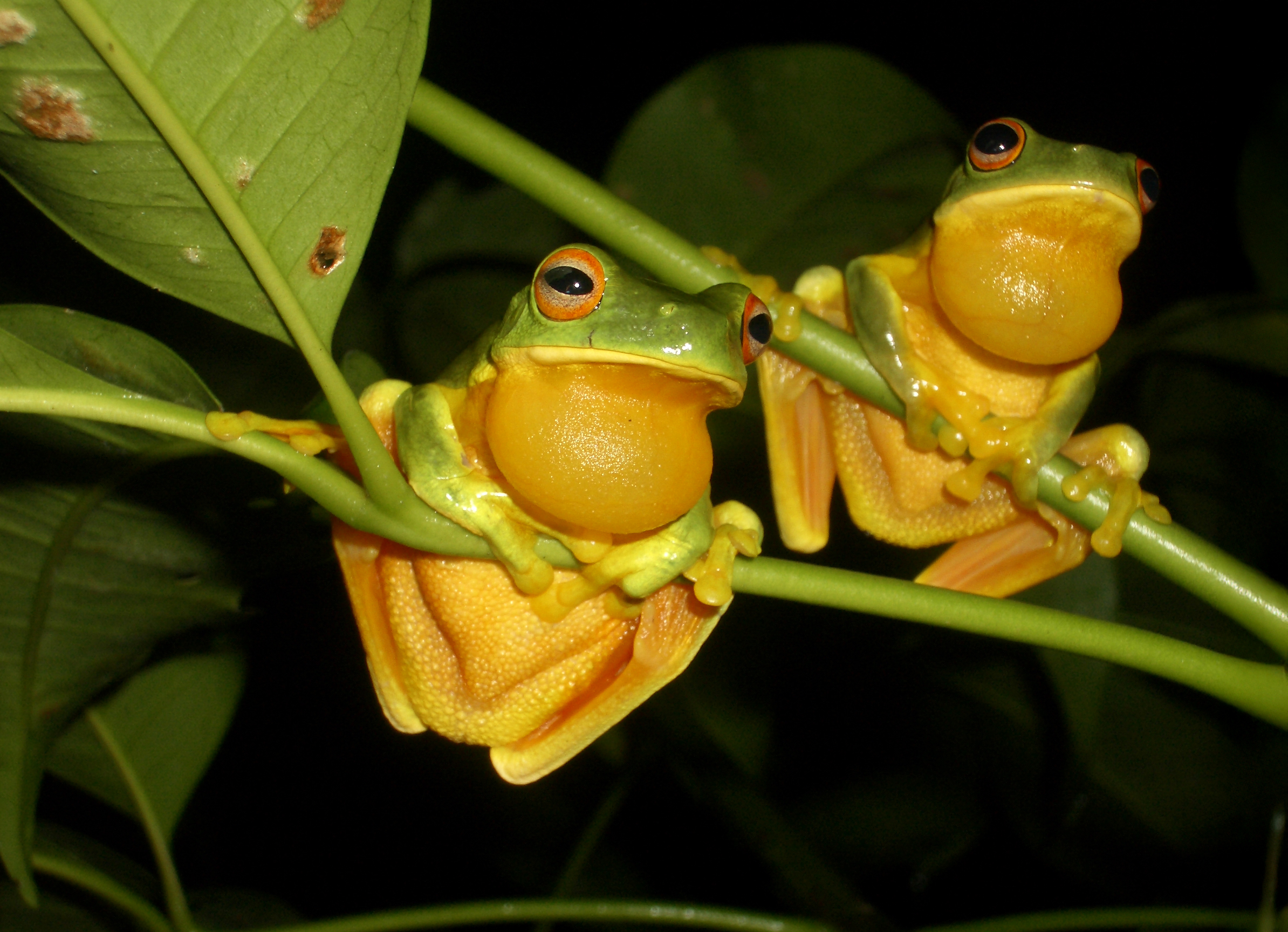
Growing up in the suburbs of Sydney, despite living alongside them, I was quite oblivious to frogs until I was 18 years old. Camping near a rainforest stream in northern NSW, I fell in love – won over by their expressive eyes, shimmery skin and delicate toes. But it was some time later when I realised how important and vulnerable frogs were.
Frogs are a vital part of most ecosystems on Earth. They are major consumers of invertebrates, including pest species. Although often overlooked, tadpoles play an important role as well; as grazers in aquatic systems, they consume vast amounts of algae. Both frogs and tadpoles also play a significant role in the food web, being eaten by a wide array of predators including fish, birds and mammals. When frog populations decline, the impact is far-reaching – streams clog up with algae and the animals that rely on frogs for food disappear. It may also impact humans, with healthy populations helping to keep disease-carrying mosquitoes at bay and reducing pests in agricultural crops.
It’s clear that we need frogs. But, in part because of their sensitivity to change, frogs are one of the most threatened groups of animals on the planet – more threatened and declining faster than either birds or mammals. Despite this, most people don’t think of frogs when they think of wildlife at risk from extinction; but we really should!
Australia is home to over 250 species of native frogs, almost all of which occur nowhere else on earth. From tiny green tree frogs to large brown burrowing frogs, Australia’s amphibians occur across our continent, from the most remote national parks to our backyards – even if we don’t always notice them.
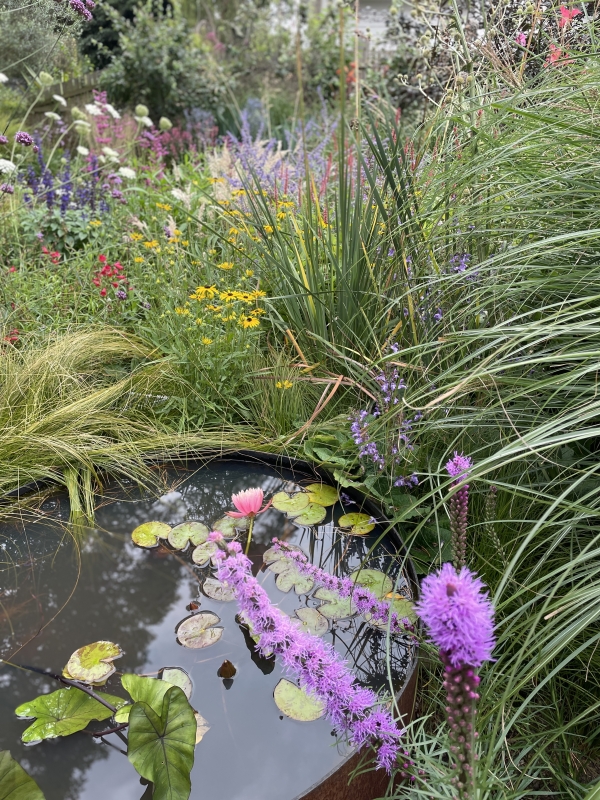
While many of Australia’s frog species are very fussy and need very specific conditions, many species can thrive in your garden. As with most wildlife, the rule with frog habitat is ‘build it and they will come’. As soon as I moved into my house in the Sydney suburbs, I transformed my barren backyard lawn by building a frog pond, planting native plants and creating a vegetable garden. Within a few months, four species of frog moved in, alerting me to their presence by their unique love-song calls. Even for me, this was surprising! Where had these frogs come from (most I’d not heard in the neighbourhood) and how did they know I’d built them a pond? I honestly still don’t know!
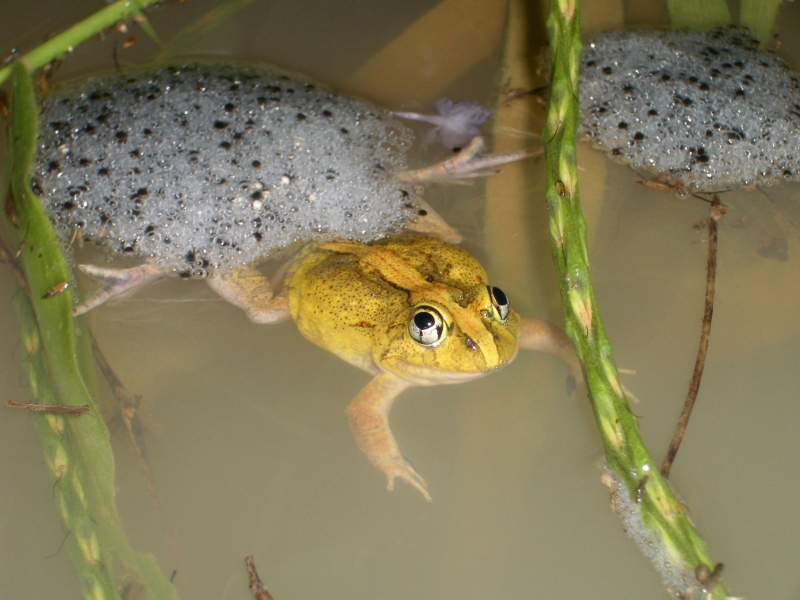
My joy heightened when I saw evidence of successful breeding – a foamy, floating egg mass, care of the Striped Marsh Frogs. The invertebrate life found my pond too, with dragonflies and damselflies moving in (to eat and be eaten by frogs), and a white-faced heron started visiting to sample the offerings!
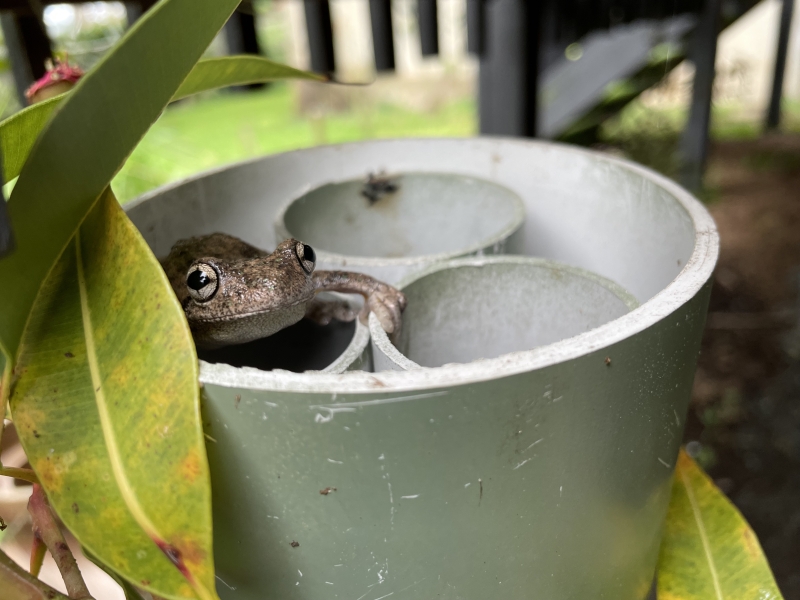
We all have the power to build a place for wildlife – even small water features can provide frogs and other critters a drink in dry times. Frogs absorb water through their skin, particularly a section of their belly called the ‘drink patch’. Vegetation, logs or even ‘tree frog hotels’ (pipes placed vertically into the ground) provide shelter sites during the day. Keeping cats indoors and avoiding chemicals in the garden helps keep them safe. Frogs not only absorb water through their skin, but also chemicals, which can be harmful.
If you’re keen to create a frog-friendly garden, learn about your local frogs and the kinds of habitat required. If you’re fortunate enough to live in an area that hosts threatened frog species, understanding their preferred breeding habitats lets you tailor your garden to support the frogs that need it most.
Once frogs move in and start calling, you can easily identify the species using the Australian Museum’s free FrogID app. As each species of frog has a unique call, recordings submitted to the FrogID project (frogid.net.au) will allow your backyard frogs to be identified and will contribute to a database (now over 1.4 million) that is helping to better understand the health of our frog populations across the country.
Frogs are a vital part of healthy ecosystems but are in serious peril. Attracting frogs to your garden is simple and can make a real difference to your local frog populations and preserve biodiversity. In return, they’ll reward you by keeping invertebrate pests down, reducing mosquito populations and, if you’re lucky, by filling the summer night air with a musical chorus.