

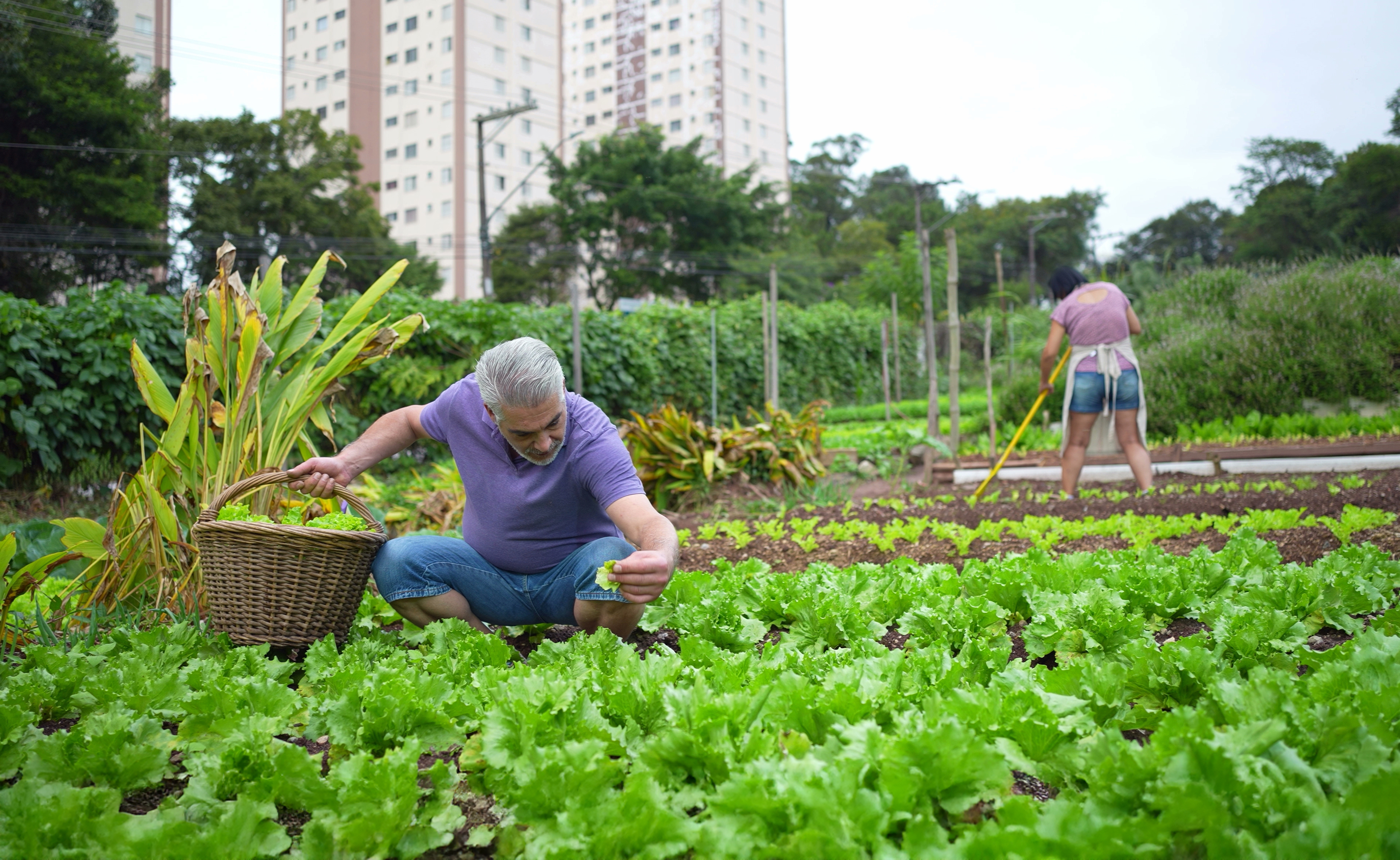
There is well-established evidence that gardening is good for our health and wellbeing. This is especially so for older adults, with benefits including improved physical health, strengthened social connections, enhanced life satisfaction and reduced stress.
We also know that most gardening is done in our homes or near where we live. But to date, very little research has focused on the connection between housing and gardening and how it intersects with health and wellbeing.
Our homes are a fundamental determinant of our health, therefore it’s surprising that gardening is not given more attention in the constant conversations about our housing crisis. These days, the Australian dream of a big backyard is a luxury for many, so it’s critical to understand how people’s housing impacts their gardening.
Our research team at Swinburne University of Technology, in partnership with the Botanic Gardens of Sydney, wanted to explore this topic and recently released a report that investigated the intersection of housing, gardening, and health.
Our report surveyed older adults living in NSW and Victoria to understand their aspirations, barriers and enablers related to gardening. Our data highlighted that 94% of our sample believed that having a gardening space where they live was extremely important. The primary reasons that people gardened (or wanted to garden) were to connect with nature and to relax. Other popular reasons included growing food, improving physical health, environmental reasons, to learn and connecting with others.
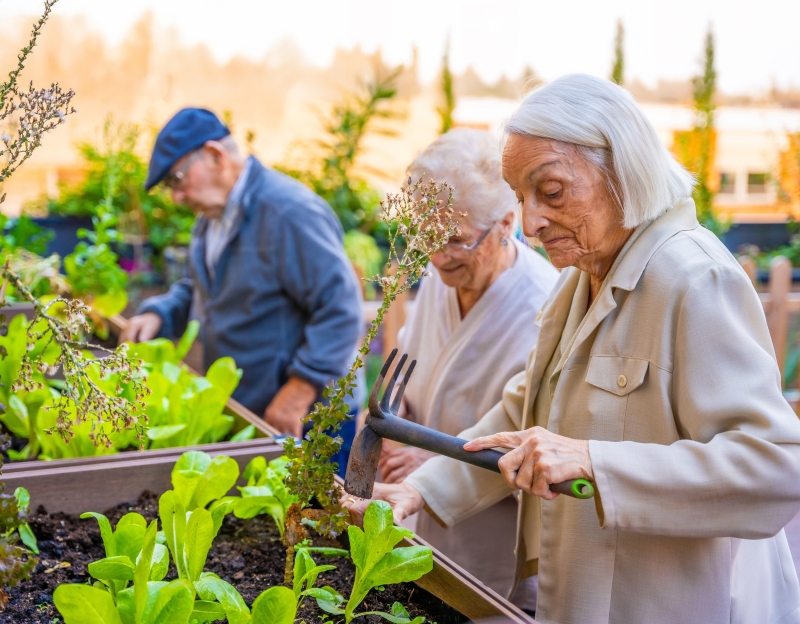
The older adults we surveyed held a wide range of aspirations for their gardening. Some wanted to increase food production, others to create a more beautiful garden space, and others to encourage more wildlife to visit. In relation to housing, people aspired to attain a stable (or permanent) garden space, a goal particularly challenging for renters. Some older adults wanted more space for their gardens, while others wished for a smaller and more manageable space.
Our research found that older adults are a diverse population, and what they want to achieve with their gardening – and what they need – vary greatly depending on their age, health concerns, family and employment. Keeping this variety in mind, we have developed four recommendations that can increase access to gardening spaces for all older adults.
Our first recommendation was to increase the availability of garden assistance programs for all older adults. These programs could include physical assistance and guidance on maintaining large (or even small) gardens more efficiently.
Recommendation two involved improved support for renters to feel confident gardening at home. Current and former renters in our survey reported feeling insecure due to the constant risk of having to move. They also commented on the sadness they felt at having to leave gardens behind. Normalising longer leases (beyond the standard 12 months) and reducing the grounds for eviction would go some way to addressing these problems.
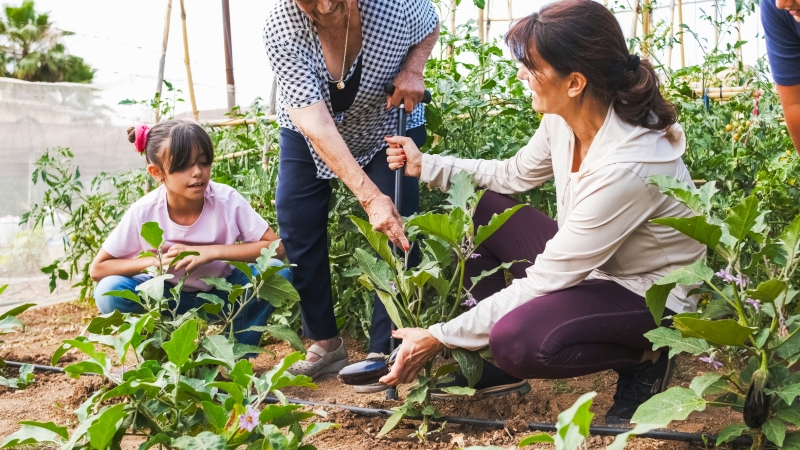
The third recommendation was about making more apartments garden-friendly, for example, by providing individual or communal garden spaces, or ensuring community gardens are nearby. Some older adults already live in apartments or will move into them in the future, so it is important that apartments can accommodate gardening, even in smaller spaces. The final recommendation is that all these actions be done with health equity in mind – no matter your housing situation, you should still be able to garden if you want to.
We recognise that for all these changes to be realised, we need to bring together governments, planners, developers, architects, family, friends, neighbours and civil organisations. Collectively, we can encourage and understand that a home is not just about the inside infrastructure but also involves gardens and green spaces of all shapes and sizes, for better health and wellbeing outcomes.
Read the full report
The report ‘If I couldn’t garden, I wouldn’t enjoy life’ is available online. Please email jkingsley@swin.edu.au to receive the link. We would like to acknowledge our report co-authors Jessica L. Mackelprang, Wendy Stone and Phil Pettitt.