

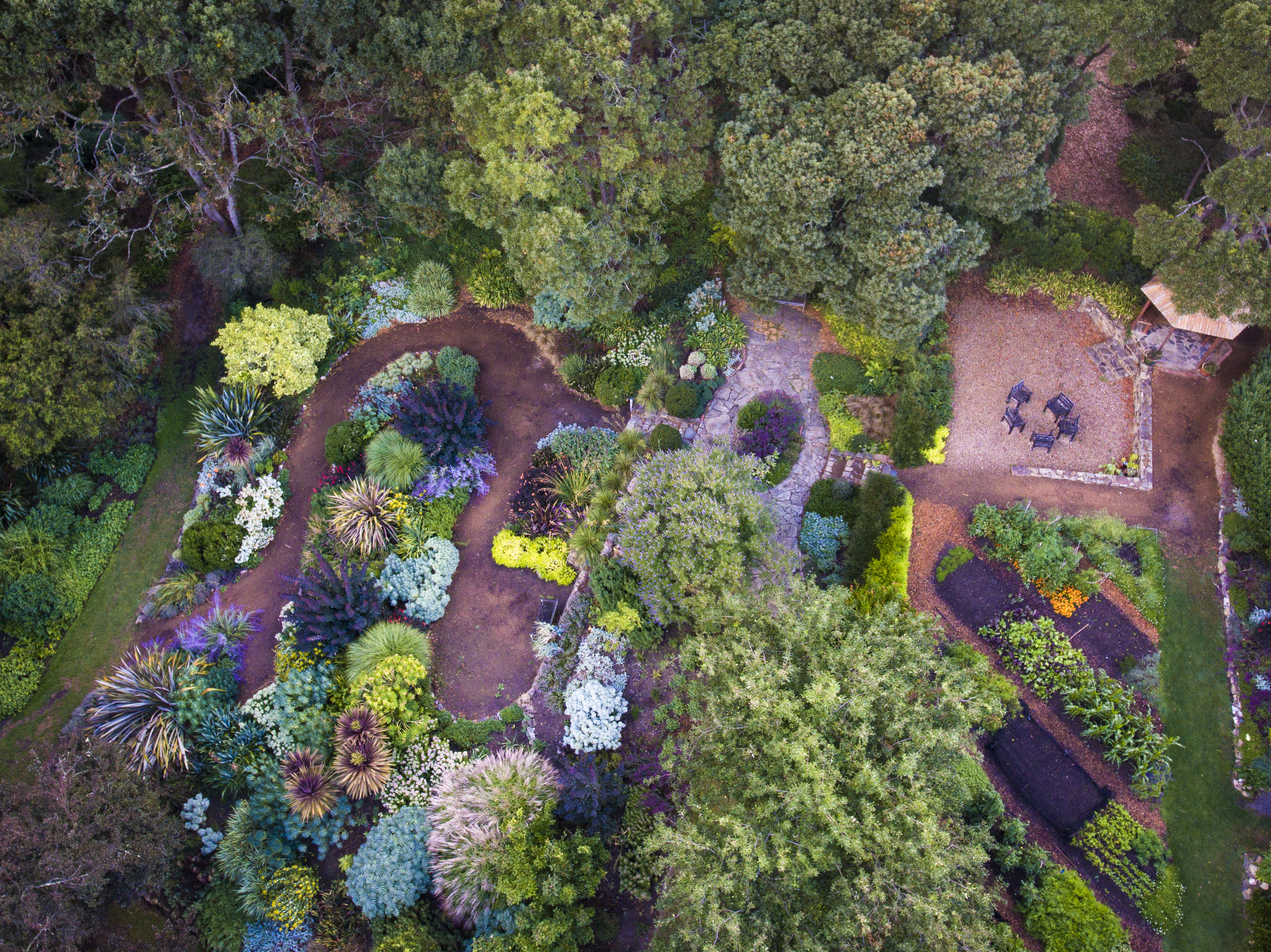
Located on the northern slopes of the Great Dividing Range, The Garden of St Erth endures weather at both extremes. Winter frosts and occasional snow give way to hot, dry summers typical of inland gardens and the hot, central Victorian goldfields. Weeks or even months without rain over the hotter months can be a challenge and careful plant selection is the key to success.
While it’s tempting to resort to traditional English cottage garden plants like poppies, delphiniums and lupins, those choices tend to peter out as the heat of summer approaches. Our poppies and delphiniums form fantastic companions in our rose garden or spring displays amongst the bulbs in the more protected areas of the garden. Nonetheless, we really consider them a pre-show or support act to the tougher summer flowering perennials, which are the main event, flowering right through the blistering summer months until the first frosts settle on their spent flower heads in autumn.
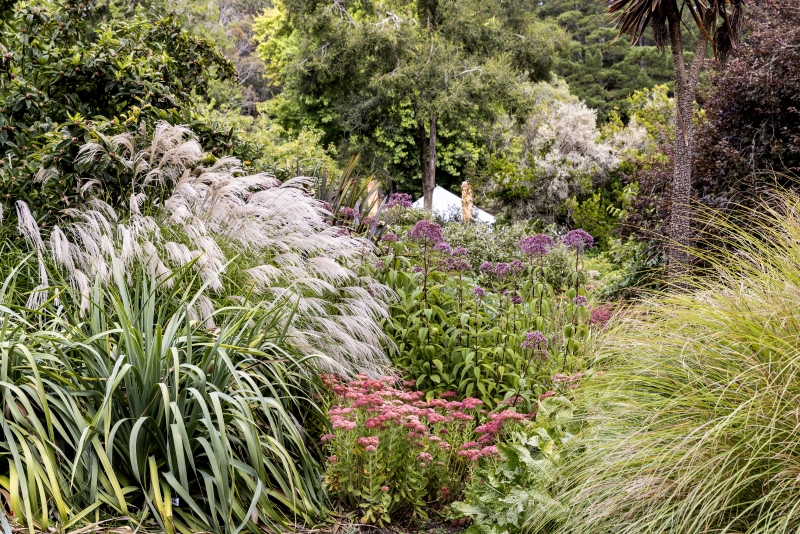
The herbaceous border and dry-climate garden boast a selection of tough, drought-tolerant flowering plants, which are selected specifically for dry Australian conditions.
Salvias, agastaches, echinaceas and ornamental grasses fill the herbaceous border, creating a patchwork of colour and thriving in marginal soil with limited water. Later-flowering perennials like Tartarian aster, rudbeckias and helianthus provide the encore, popping up later in autumn when other flowers are beginning to fade.
Each spring we add a thick mulch of wood chips, locking in moisture and preventing weed growth among our border plants. The tough, forgiving nature of our plant choices allows for success, even without extensive soil improvement, truckloads of compost or heavy fertilisation. By selecting the right plants, we have been able to work with our impoverished, mining rubble-based soil, rather than trying to transform it into something English garden plants will tolerate.
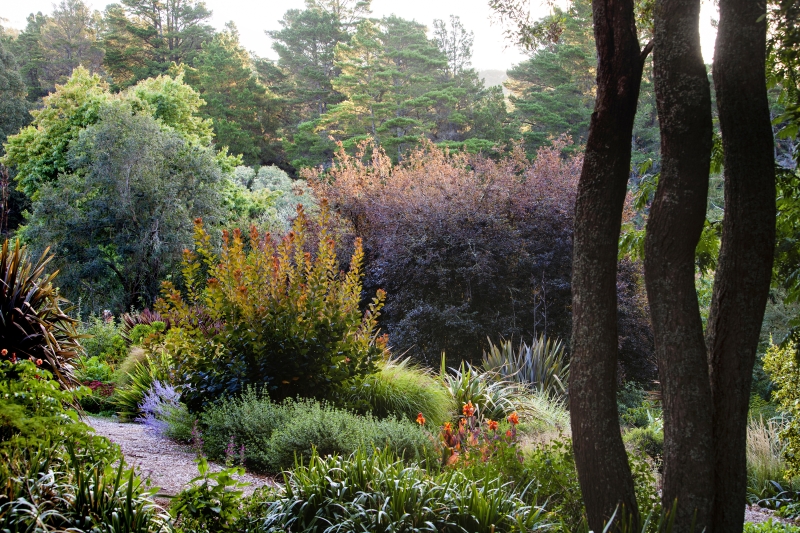
Further up the hillside, St Erth’s dry climate garden flourishes despite its exposed position. Facing northwest and enduring the majority of the afternoon sun, carefully selected shrubs, grasses and flowers not only survive but put on a magnificent show in our long inland summers.
The late master gardener, Chris Colligan, spent over two decades tending our dry garden, always searching for new additions and trialling them with little or no irrigation. Plants would be established during their first season, with compost added and occasional watering to give them every chance of survival. From then on, they would have to fend for themselves – no additional water beyond natural rainfall. If the plant did not perform or didn’t make it through the dry months, we concluded it was in the wrong garden – perhaps a good plant but unfit for a place in the harsh conditions of ours.
Australian native plants are a notable exception from our plant palette in this garden, not because they wouldn’t survive, but by choice. The adjoining bush garden features an impressive range of natives, at home under the narrow leaf peppermint gums and blackwood wattles. Mostly flowering in late winter or early spring, the natives serve a different purpose at St Erth, providing flowers early in the season and easing the transition from exotic garden to the surrounding native bushland.
When designing the dry garden, Chris chose to focus on tough exotics from other dry and arid areas of the world. California, the Canary Islands, Africa and even New Zealand are home to an impressive range of drought-tolerant species, many of which grow happily in our climate at Blackwood. Our plant choices peak in summer and autumn rather than spring. Native birds and insects are often seen feeding and nesting in the exotic species, just as happy to forage amongst the salvias and echiums as the grevilleas or native mint bush.
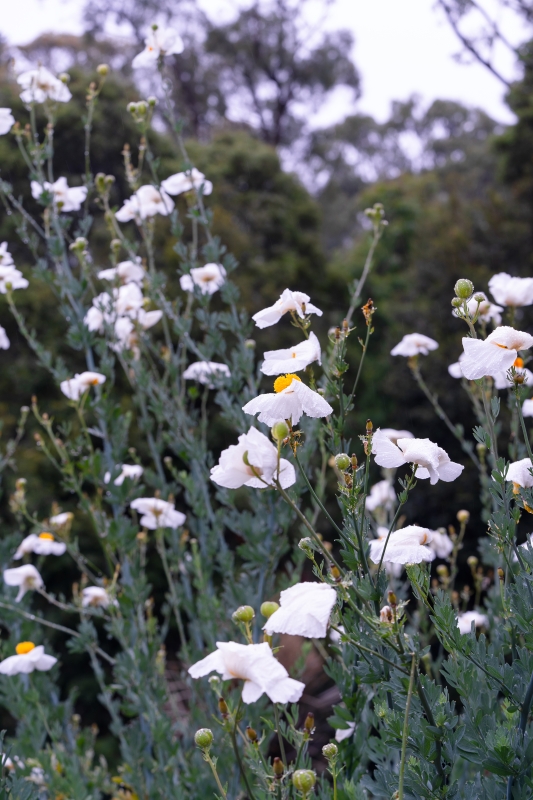
Smoke bush, Californian tree poppy and cistus are some of the best performers. Sedums, euphorbias and miscanthus species also do well, increasing in colour as the season progresses. Plants are chosen for their form as much as for their flowers. New Zealand flax and a selection of wormwoods give structure to the garden. Our smoke bushes are coppiced yearly, sacrificing the flowers but encouraging fresh new growth each summer, which catches the wind and floats elegantly over the lower-growing shrubs.