

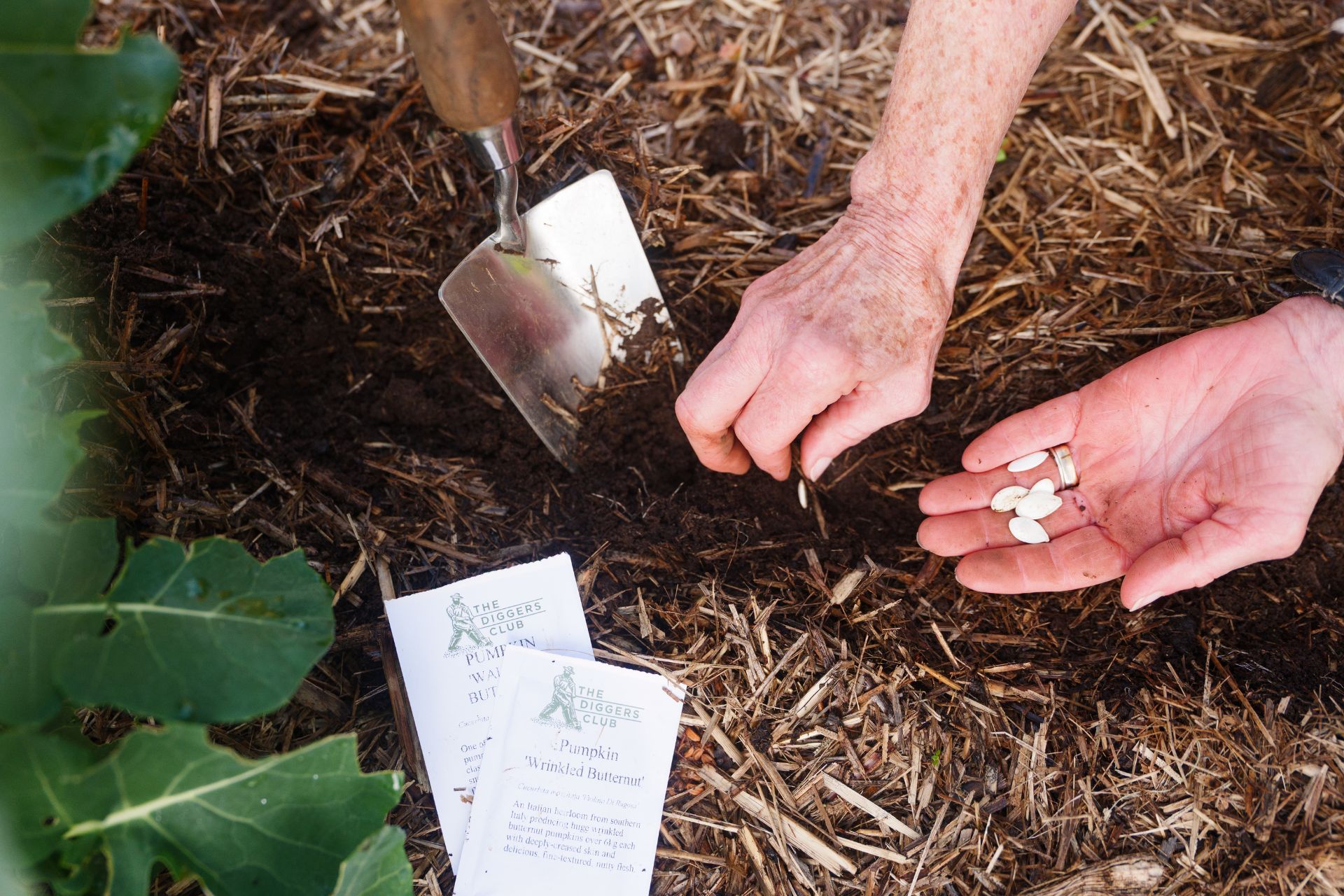
There is something magical about sowing a tiny seed and watching it transform into a thriving plant. Whether it’s a towering tomato, a crisp lettuce or a patch of sweet corn, every successful harvest begins with one important step – germination.
At Diggers, we know that our members place their trust in every packet of seed they purchase. That’s why seed germination isn’t left to chance. Behind the scenes, we regularly test our seed lots to ensure they meet the high standards we expect before they ever reach your garden.
What is germination?
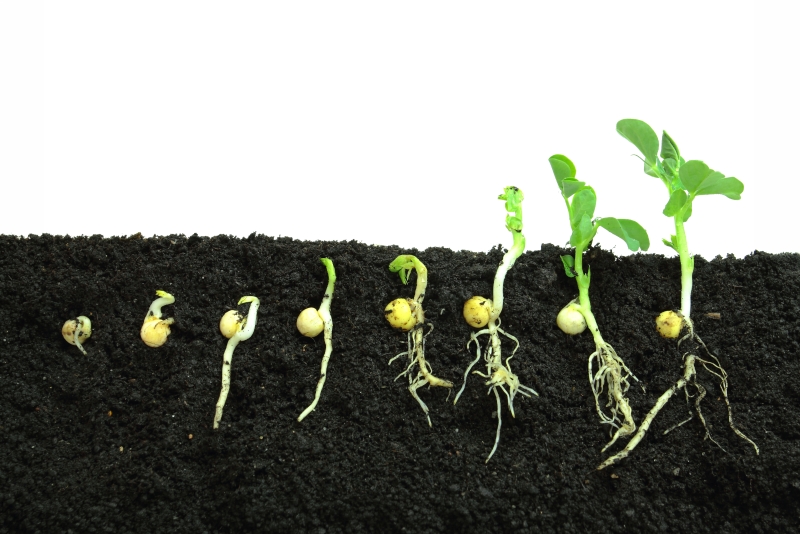
Germination is the process where a seed wakes from dormancy and begins to grow into a seedling. Given the right combination of moisture, oxygen and temperature, the seed absorbs water, activating enzymes that trigger growth. The first root, known as the radicle, emerges, followed by the shoot that will eventually become the stem and leaves.
Germination testing methods
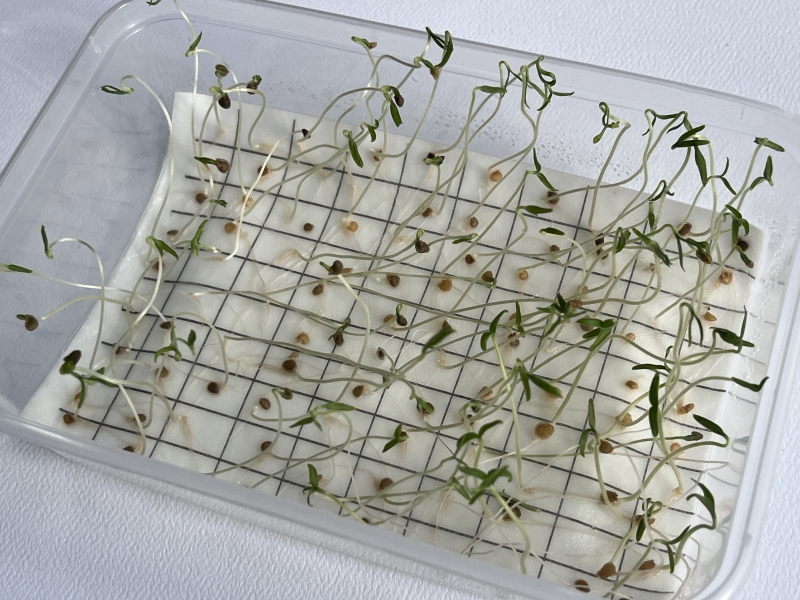
To ensure the quality of our seed, we regularly carry out germination testing using internationally recognised procedures. Each test begins with a sample of 100 seeds. If 94 germinate successfully, the germination rate is 94%. These results allow us to monitor seed quality over time and ensure that the seed we supply continues to perform well for our members.
Many of our germination tests are carried out using specialised seed testing papers rather than soil. Made from pure cellulose with a neutral pH between 6.0 and 7.5, they contain no substances that could influence seedling growth or variables that may affect results. Testing on paper also makes it easier to assess the quality of the seed itself. Because every seed is clearly visible, we can see exactly which seeds have germinated and which have failed. We can also identify seeds that have become mouldy or have rotted during the test – something that can be difficult to detect when seeds are buried in soil. This allows us to accurately evaluate each seed lot and investigate any issues that may arise.
For smaller seeds, such as lettuce, basil and many flower varieties, we use white germination paper, with the seed placed on top of the paper. This allows light-sensitive seeds to receive the conditions they need while making it easy to monitor their progress. Larger seeds, such as beans, peas and many cucurbits, are often tested using brown germination paper. These seeds are placed between layers of the paper, where consistent moisture surrounds the seed while still allowing excellent air movement.
Although specialised germination paper provides highly consistent results, there are times when we also use soil as part of our testing. This allows us to observe how seed performs under conditions that more closely resemble the garden. It can also help identify problems that may not appear during laboratory-style testing.
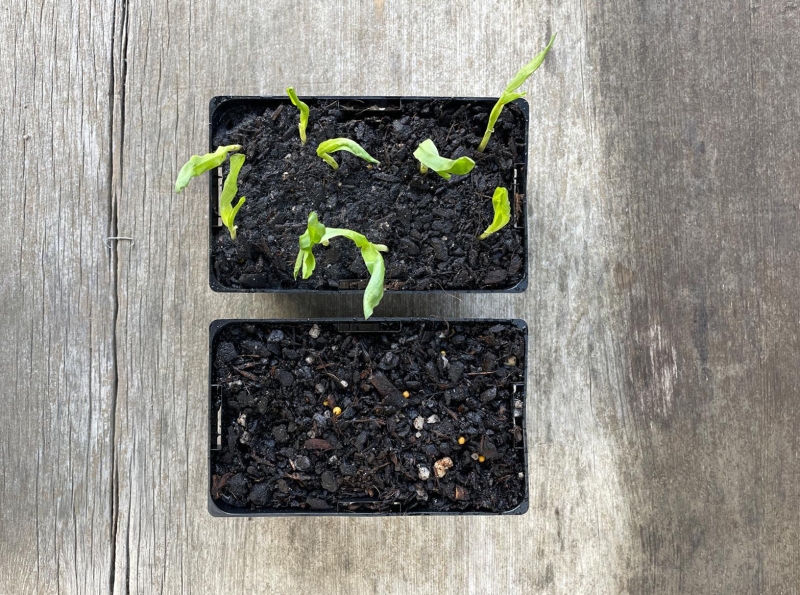
One memorable example involved a fresh batch of sweet corn seed. After a customer notified us that the batch had failed to germinate, we undertook due diligence to verify the quality of our stock and ensure it met our standards. We conducted a soil germination test and observed that very few seedlings emerged. While this was initially concerning, the results didn’t quite add up. Given that corn is highly attractive to rodents, we suspected that mice may have removed or consumed the seeds before they had the opportunity to germinate.
To test the theory, we repeated the germination test – this time covering one tray securely with plastic wrap to prevent access, while leaving the other tray open. The results spoke for themselves: eight out of ten seeds germinated successfully. The seed hadn’t failed at all – it had simply become an unexpected meal for some hungry visitors!
It’s a good reminder for home gardeners too. If you’re sowing larger seeds such as corn, peas or beans outdoors, beware of birds and rodents! Covering newly sown seed with cloches, mesh or another protective barrier can make all the difference until the seedlings appear.
More than just a number
A germination percentage is much more than a figure on a test sheet. It represents the care taken throughout every stage of seed production, from growing and harvesting through to cleaning, storage and ongoing quality assurance. Regular germination testing allows us to identify changes in quality, monitor storage performance and ensure our members receive seed that gives them the best possible start. Success in the garden however, still depends on sowing at the right time, adequate soil temperature and moisture, a healthy soil and seed protection.
When you open a packet of Diggers seeds this spring, you can do so with confidence, knowing that every seed lot has been carefully assessed and tested before it reaches your garden. It’s one more way we’re helping every tiny seed realise its full potential – and helping every gardener grow!