

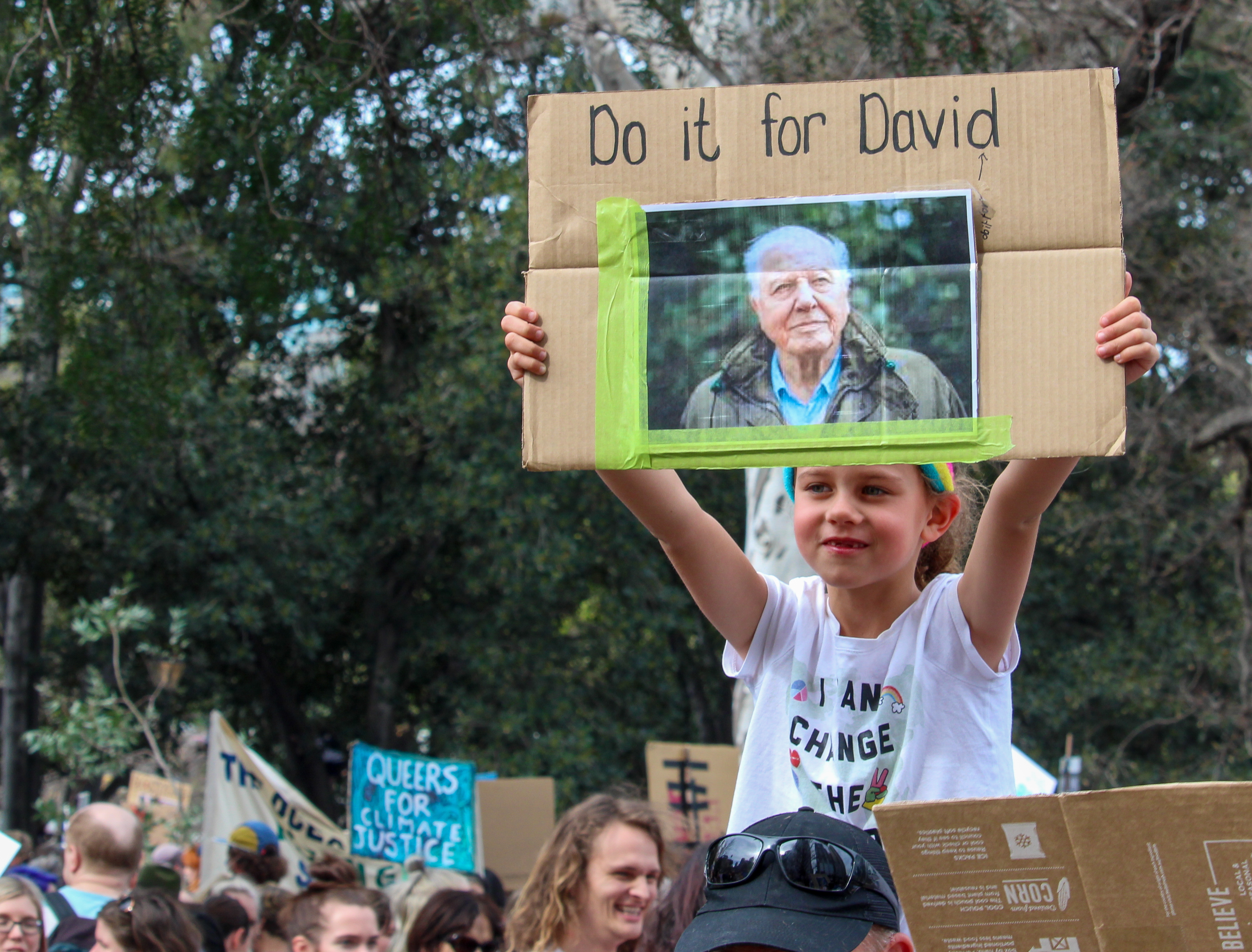
About 25 years ago, I remember being quite disappointed that David Attenborough, the man best able to reconnect us with nature, was in denial about humans driving climate change, perhaps because he felt he had to take a neutral position as a presenter.
But Attenborough’s 2020 documentary and book, A Life on Our Planet, firmly link human activity to the climate emergency and explain that biodiversity collapse lies at its core. His witness statement creates a real sense of urgency and advocates a simple, rapid solution to our planetary crisis.
Our species, Homo sapiens, must realise that our survival depends on working with nature, not against it. The war against nature, pitting humans against the natural world, will always fail. Our enormous carbon footprint, compounded by deforestation, is destroying biodiversity so rapidly that only 35% of the planet’s wilderness remains. Since the last ice age, around 12,000 years ago, the stable climate that fostered such extraordinary biodiversity has been brought to the brink in just 83 years.
The scale of this change is staggering:
| Year | World population | CO2 level (ppm) | Wilderness % |
| 1937 | 2.3 billion | 280 | 66% |
| 1960 | 3.0 billion | 315 | 62% |
| 2020 | 7.8 billion | 415 | 35% |
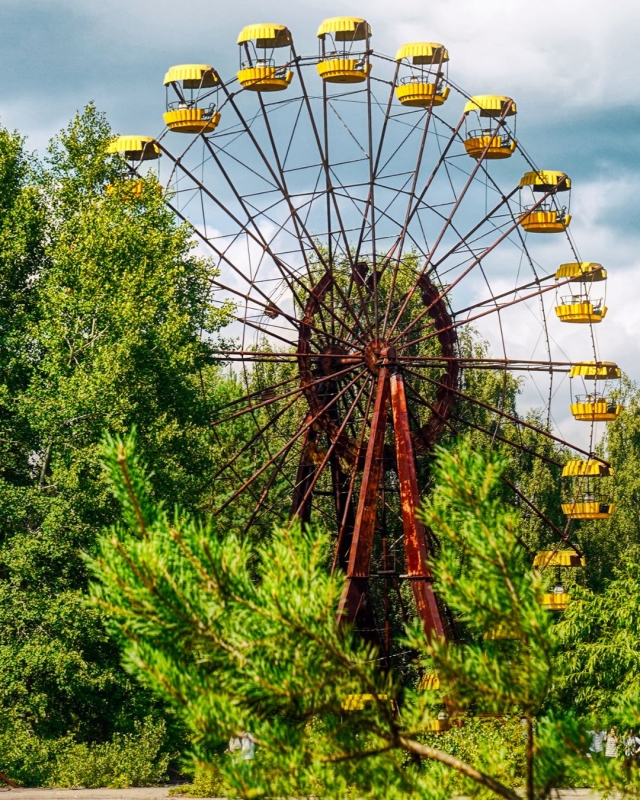
Attenborough’s turning point came when he visited Chernobyl 24 years after the nuclear reactor meltdown, when it was safe for humans to return. City buildings evacuated by the Russians were surrounded by regrowth forests. Wild animals had returned and occupied the streets and so, despite the impacts of the nuclear disaster that killed humans, nature (without any assistance from humans) recovered rapidly. Nothing needed to be sown because each plant had produced enough seed to replace what humans had destroyed.
The lesson is that nature has an extraordinary capacity to recover without us. That is the promise of biodiversity. Plants played the greatest role in creating the world we so often assume is ours, and we destroy that legacy at our peril. If we stop working against natural systems and instead work with them, we can begin to repair the damage we have caused.
There is no hope for humanity unless we accept the self-evident truth that the biological processes of this planet are way out of equilibrium. Nature can survive without us but we cannot survive without nature. We must learn to be part of nature, not apart from it.
Attenborough’s 5-step solution
Step 1 – Energy: Switch to renewable energy to reduce carbon rising into the atmosphere.
Step 2 – Oceans: Protect at least 30% of our oceans from fishing so habitats and fish stocks can recover, creating a global refuge for marine life. This strategy is endorsed by the United Nations.
Step 3 – Land use: Reduce the land we farm and adopt a more plant-based diet. We must move away from monoculture cropping and restore soil fertility. The Netherlands has shown how quickly this can be achieved, increasing crop yields tenfold while using less water, fertiliser and pesticides. Today, with a population of just 17 million, it is the world’s second-largest food exporter.
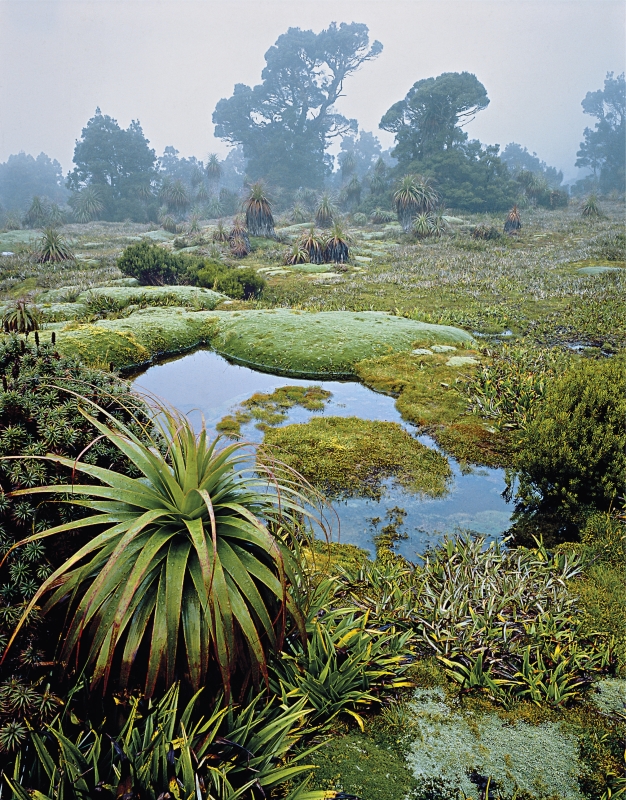
Step 4 – Forest: Halt deforestation and rewild the planet. Chernobyl proves nature can recover rapidly. Costa Rica lost 75% of its forest, but after introducing forest protection laws, it regenerated to 50% cover in 25 years. How? Its biodiversity of seeds and soil biota naturally re-established itself once protected.
Step 5 – Plant trees: We have already cut down 3 trillion trees – around 50% of the world’s forests. Even after we reduce emissions, we already have decades of excess CO₂ that needs to be drawn back down, and the most effective way to do that is by planting trees. After all, it was plants that locked this carbon away in the first place.
If we plant 1.2 trillion trees over the next 10 years (just 160 trees for every person on the planet) we could return enough carbon to the earth to help slow climate warming, while supporting the transition to renewable energy by 2050.
First published in 2021, Clive Blazey has revisited this article in celebration of Sir David Attenborough’s 100th birthday and the remarkable legacy he continues to build for our planet.