

What exactly is the gut microbiome and how does it impact our physical health and immunity?
The gut microbiome is the largest collection of microbes we host as humans. We have other significant communities wherever we have mucus membrane tissue, hosting trillions of microbes in total. If we could somehow magically isolate all of the microbes in and on our bodies and pile them together, we could have a mass that would weigh at least 1.8–2kg! There is not a single part of the human body that has been found to be sterile – we have microbes everywhere!
In terms of their impact on our health, we’re really just beginning to understand this. Thus far, we know that the composition of the microbiome is likely to influence immune system function significantly. There is emerging research linking gut microbes to obesity, allergies, longevity, fertility – and more.

We hear that our gut is the new brain. What is the connection between our gut and the vagus nerve? How does this influence our mental health?
We now know that the gut-brain axis is a real thing – it’s a bidirectional channel of communication between the central nervous system and the digestive system. People have instinctively known of this connection forever – we see this in the way we understand things like having ‘butterflies in your tummy’ when you’re nervous or excited, or the fact that IBS symptoms often flare up in times of stress. So, we can see how what’s going on in the brain can affect the gut.
When it comes to the other way around, it actually gets even more interesting. A well-known 2016 study by Kelly et al., titled ‘Transferring the Blues’, found that when healthy rodents received faecal microbial material from humans diagnosed with anxiety and depression, then those rodents began exhibiting signs of mental distress. This marked a seminal moment in our understanding of how the contents of the gut microbiome can influence mental and emotional health.

It’s now understood that most of the serotonin our body makes is produced in the gut rather than the brain. Certain communities of microbes can influence the amount of serotonin made in the gut. The thing is, serotonin made in the gut can’t actually cross into the brain because it is blocked by the gut-brain barrier (a thick layer of blood vessels that reduces the likelihood of harmful substances crossing from general circulation into the more vulnerable brain). So, while we see that increasing the production of gut-derived serotonin corresponds to an improvement in mood, we know it’s not because this serotonin is interacting with brain cells or acting as a neurotransmitter.
It is more likely that this gut-derived serotonin helps stimulate peristalsis, the rhythmic contraction and relaxation of the muscles in the digestive tract that push digestive contents and faecal material along. Maintaining peristalsis helps to prevent constipation, which is itself associated with poorer mood and sleep.
To sum it all up: our mental health affects our gut symptoms and the contents of our gut microbiome influences our mood, sleep and ability to keep the gut moving, which in turn influences mental health!
Now that we’ve established the what and why, how does gardening and the practice of hands in the soil help develop a healthy microbiome?
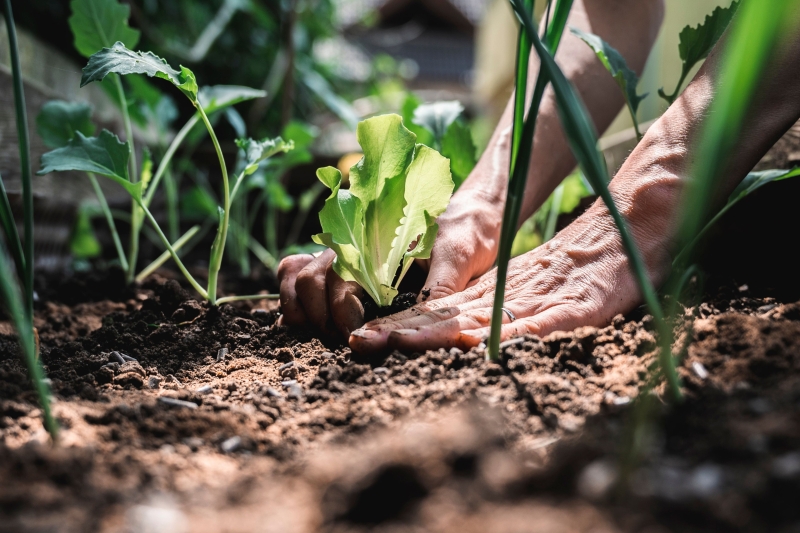
The one thing that is emerging clearly into research on human health and the microbiome is that a more diverse gut microbiome correlates to improved health outcomes. One of the ways we can come into contact with a wider range of microbes is through gardening, where we’re interacting with soil microbes. We’re touching soil, we’re breathing in fine particles, we’re interacting with the microbial life on the plants themselves – and then often we’re consuming the plants we grow, so we’re then ingesting more of these microbes than we would if we bought the same plant foods from a grocery shop.
What is the science behind the positive impacts of eating a diverse array of food, including eating different varieties of the same fruit, such as all different species of apples or tomatoes?
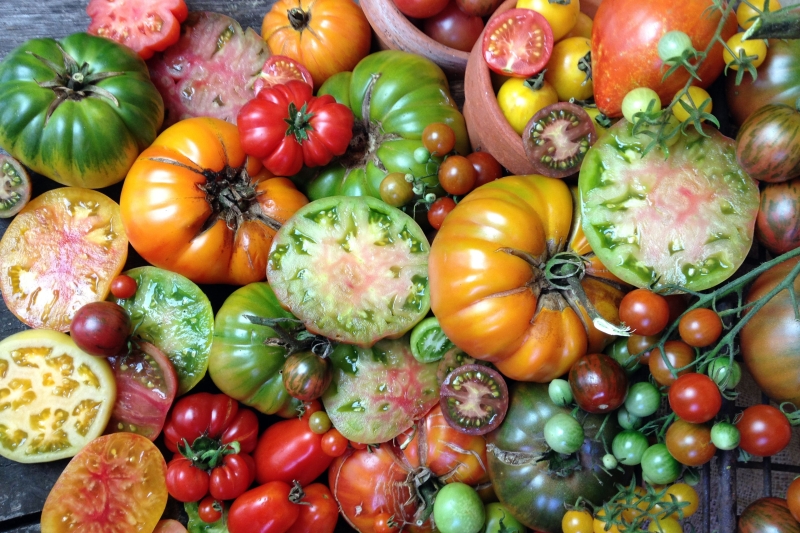
Our gut microbes can feed on a wide variety of substances found in plants: fibres, polyphenols, all kinds of structures. Different fibres, for example, can find slightly different communities of microbes. So, if you have red tomatoes and black tomatoes: they’re both tomatoes, and their nutritional contents will be very similar. But the different colours come from different polyphenols, and these will be feeding different microbes. Therefore, you can contribute to a more diverse microbiome by eating as wide a variety of plant foods as possible, including a variety of the same type of fruit or vegetable.
What impact does homegrown, organic produce vs chemically treated, mass produced food have on our microbiome?
The less a plant food has been handled, the more microbial life is likely to be extant on its surface. Growing a potato at home, then giving it a rinse in your kitchen, is likely to remove significantly fewer microbes than the same potato being commercially washed, then stored before purchase. It is also likely that well-tended, organically rich soil in your own garden contains more microbes than the medium in which commercially produced potatoes are grown. It is highly likely that eating more homegrown produce would contribute to greater exposure to beneficial microbes than eating mass-produced produce.
Australia is often referred to as ‘the allergy capital of the world’. What role could diet, microbial exposure and sanitisation (dogs and dirt!) play here?
It’s now well understood that disruption to the paediatric microbiome is likely to be a significant factor in the rise of allergies and allergic conditions we are seeing across the developed world. Overall, it is recognised that the human microbiome is shrinking: each generation is born with a narrower, less diverse microbiome than the one before.
We know we have now lost many species of ‘ancestral microbes’ that have died along with our grandparents and great-grandparents. This loss of microbes is likely due to combination of things: more industrialised lives leading to coming into contact with fewer microbes; diet higher in commercially grown food; reduction in the consumption of a wide variety of plant food species; having contact with fewer animals in day-to-day life; increasing rates of caesarean deliveries, more usage of baby formula; high rates of antibiotic prescription; and more use of antibacterial personal care products in the home.
Coming into contact with a wide variety of microbes in the early weeks of life is important for the developing immune system to learn to mount an appropriate response. Limited exposure to microbes in early life is associated with a higher likelihood of developing allergic conditions such as eczema, asthma, food allergies and hayfever.
Fermented food is enjoying a moment in the sun. What are the health, gut or other benefits of fermentation?
Apart from the year-long benefits of topping up the pantry with the fruits of our labour, think of fermentation as the work of tiny microbial chefs. As bacteria and yeasts consume the natural sugars and fibres in food, they create a host of beneficial compounds.
These metabolites don’t just preserve food and give it its distinctive tang – they can also help support a healthy gut, improve nutrient absorption, influence immune function and make some foods easier to digest. In many cases, it’s these compounds, as much as the microbes themselves, that contribute to the health benefits of fermented foods.
Is it ever too late to tap into the benefits of gardening on our gut microbiome?
Unlikely – microbiome health remains relevant for our entire lives. The more diverse microbiota we can introduce to our gut through diet or hands in healthy, nutritious soil, the better!