

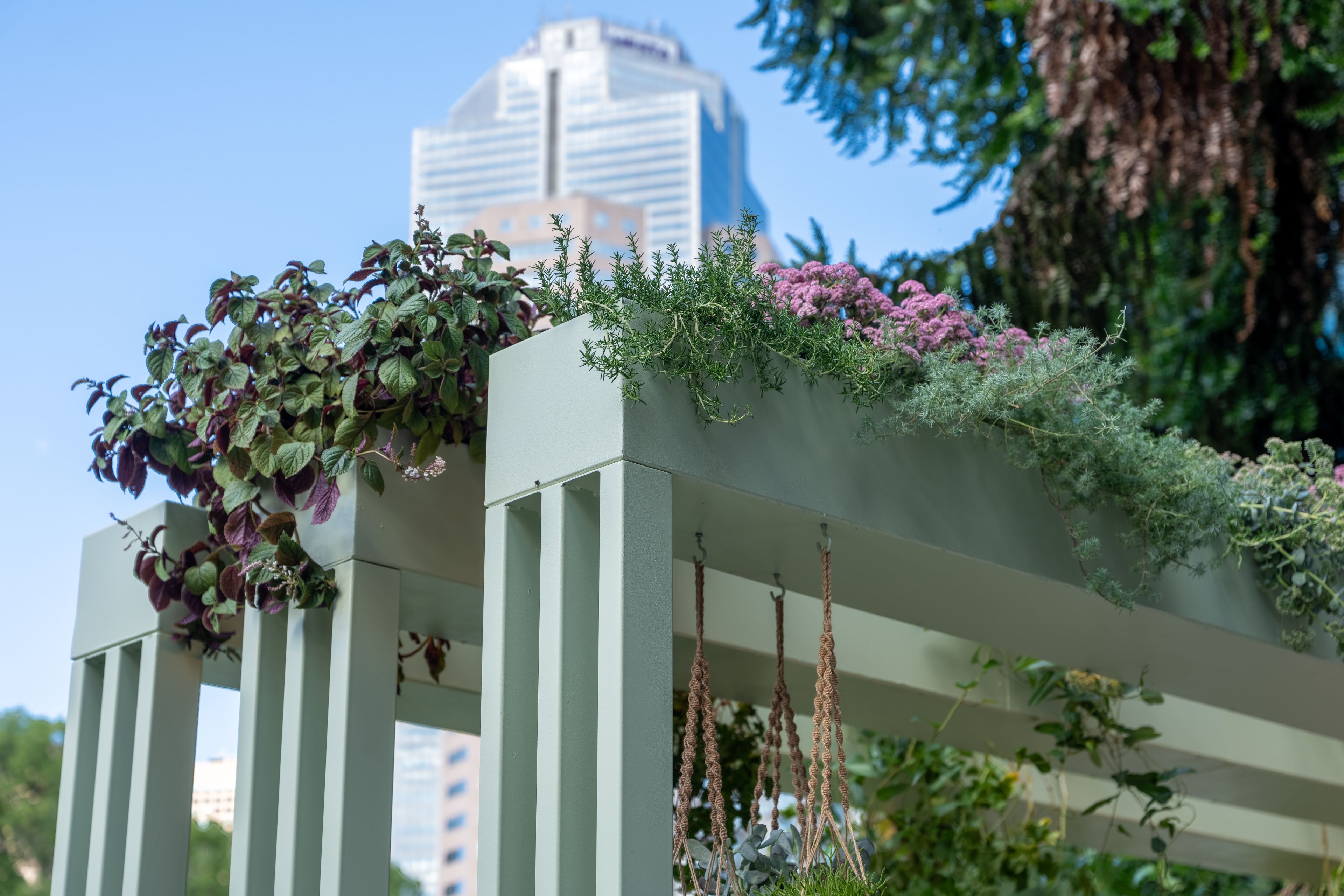
Can a small, exposed balcony become a place of refuge, connection and delight? At this year’s Melbourne International Flower and Garden Show, that was the challenge I set myself – to transform an unwelcoming space into a multifunctional garden that drew people in and invited them to stay. The resulting garden, Immerse, struck a chord with visitors, but the lessons it taught extend far beyond the show.
Whether you’re working with a balcony, courtyard or compact backyard, a small garden can offer just as much enjoyment as a larger one when it’s designed with purpose. A successful small garden isn’t about fitting everything in. It’s about creating a space that feels generous, supports the way you live and keeps you connected to nature. The good news is that these qualities aren’t determined by square metres. With a few simple but clever design moves, even the smallest space can feel larger, more inviting and more immersive.
Design for small spaces
To really nail small-scale success, I draw on a combination of spatial design techniques, thoughtful material choices and layered planting.
Lines
The lines in a garden influence how your eye moves through the space and how large it feels. A long, narrow garden can benefit from being visually divided into shorter sections, while a diagonal path or sightline can make a short space feel larger by extending the eye along a longer line.
Borrowed views
If you can see a distant view – or even just a neighbour’s beautiful tree – make it part of the composition. Long views soften boundaries and increase the sense of space.
Define zones
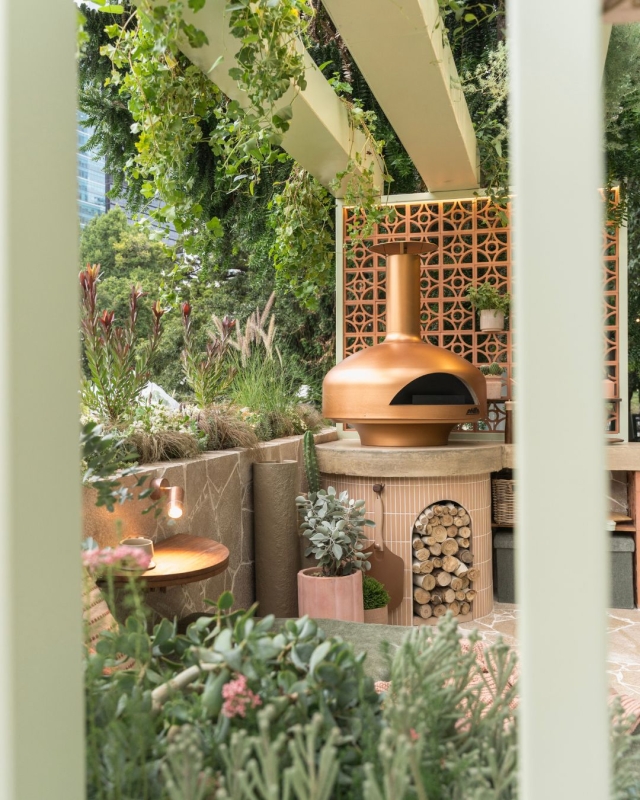
Clearly defining zones may seem counterintuitive in a small garden, but it often has the opposite effect. Distinct zones for cooking, dining or relaxing actually help a small garden feel more generous. I like to create moments of mystery and discovery; because when the whole garden can be understood at a glance, it loses some of its magic.
Materials and furniture
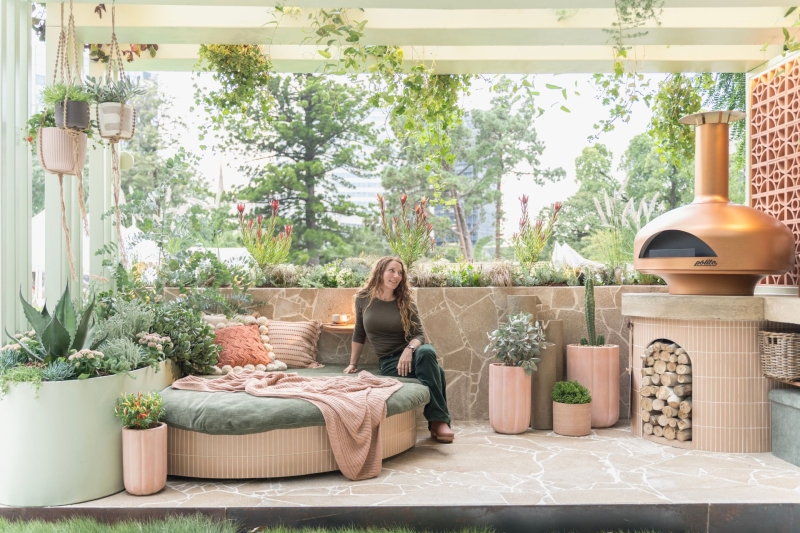
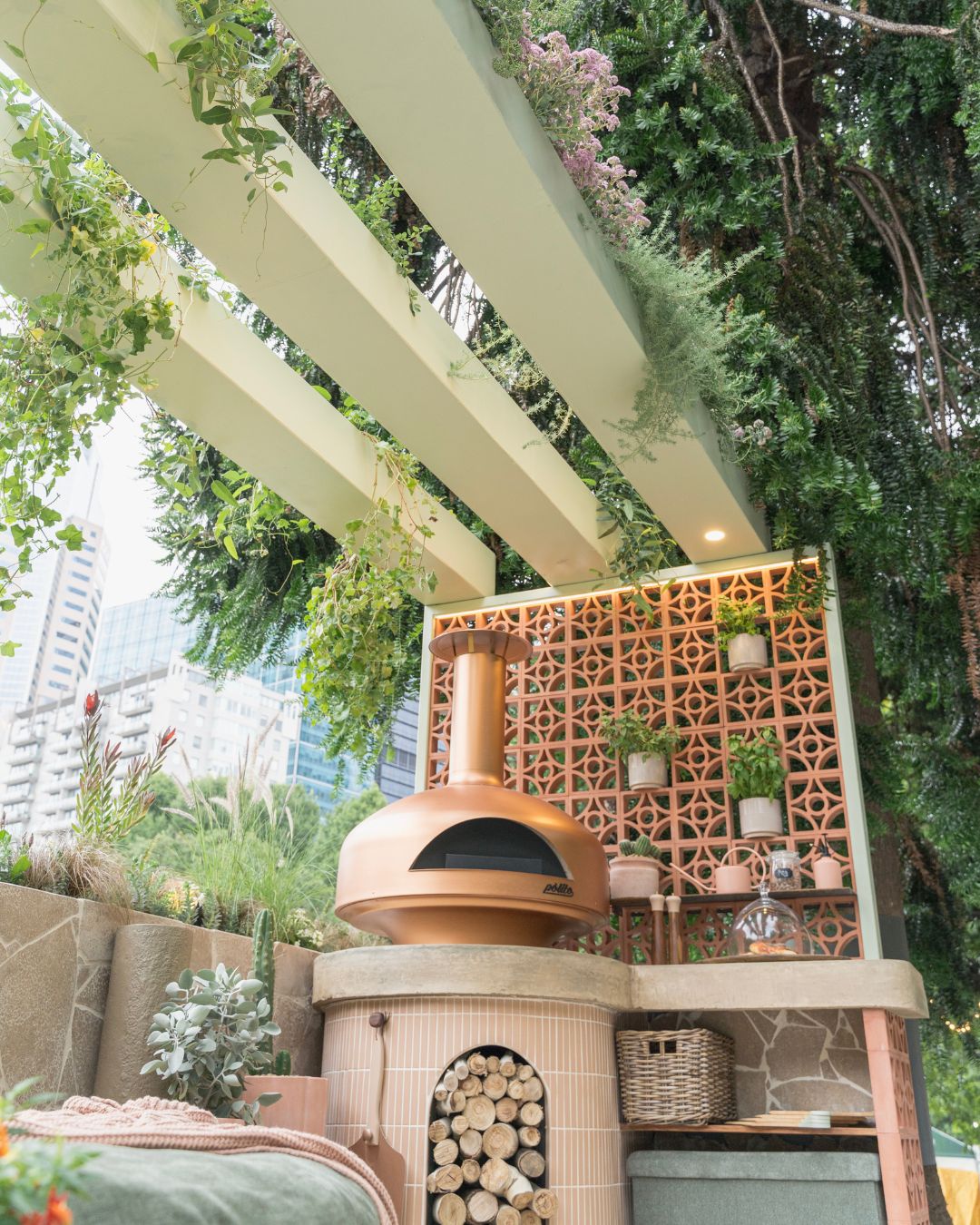
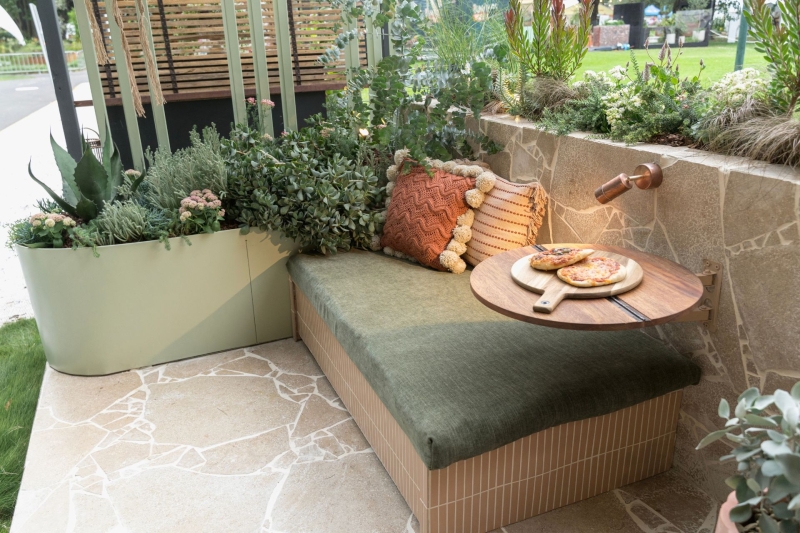
Repeat after me: keep the material palette simple! In Immerse, we used a single limestone crazy paving across the floor and rear wall. Running the same material vertically blurred the boundaries and created more depth. Smaller mosaic paving softened the finish and gave it a handcrafted feel. We paired this with painted steel, warm terracotta and muddy burnished concrete – bringing just enough pattern, contrast and textural variation.
Furniture is equally important. In small spaces, custom solutions are often worth considering. Our custom daybed rotated into a two-seater sofa, cushions were stored inside bench seating and a small shelf unfolded into a laptop desk or serving table. These details allowed the garden to shift from morning yoga and working from home to relaxed pizza parties.
Small Gardens. Big Possibilities.
Join La Muxlow for a free Dig Deeper webinar for Diggers members on 30 September.
Layered planting
The overhead pergola was formed from three planted troughs filled with lightweight growing media. Hanging rosemary, Sedum sieboldii and other tough trailers cascaded down to provide shade, privacy and softness. The bees smothering the sedum throughout the show were an added bonus. Irrigation and drainage fed into the wicking beds below, creating a system that was both water-wise and low-maintenance.
Every garden benefits from pots. My advice is simple: go as large as you can and work in odd numbers. Three substantial pots will generally have more impact than seven small ones, while also providing healthier growing conditions for plants. Where possible, raise pots above shin height and vary their levels to create depth and visual interest.
Introducing productivity
I’m a huge fan of mixing edibles with pretties. In Immerse, we paired trailing strawberries and colourful capsicums with Coral Cactus (Rhipsalis cereuscula) and the sculptural foliage of Agave salmiana. Focus on foliage contrast and complementary forms and it’s surprisingly easy to create combinations that are both productive and beautiful.
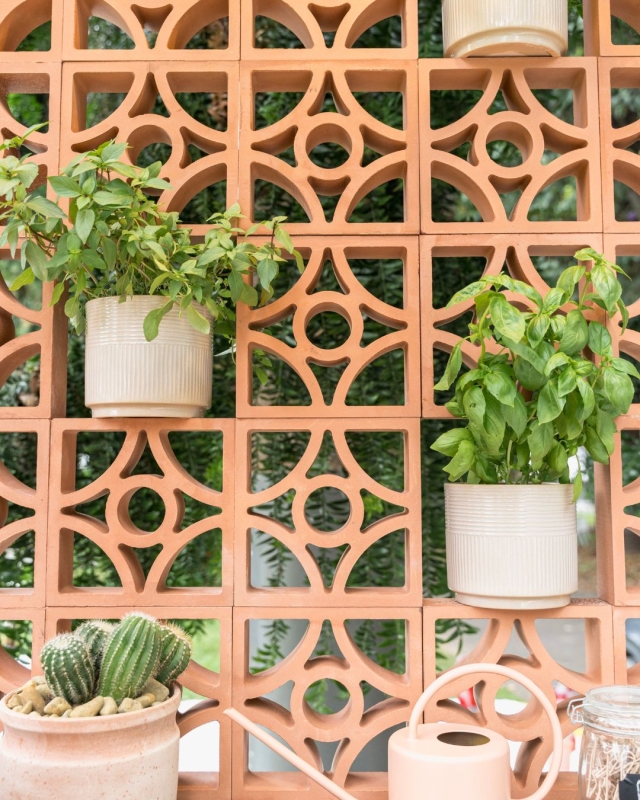
For these mixed plantings to thrive they need the same growing conditions. That’s why I find wicking beds one of the best cheats for productive gardens. Their reservoir system allows plants to draw up the moisture they individually need, making watering more efficient and accommodating a wider mix of plants within the same bed. Our terracotta breeze-block wall incorporated openings for herb pots close to the pizza oven. For ground-level gardens, creeping thyme between pavers helps incorporate edibles.
I believe that a successful small garden isn’t about squeezing more in. It’s about making room for the things that matter most. With thoughtful design, layered planting and a little creativity, even the smallest outdoor space can become a garden that feels larger than its footprint – beautiful, productive and full of moments that bring joy throughout the seasons.
Photo gallery: MIFGS 2026
Relive the joy of this year's Melbourne International Flower and Garden Show