

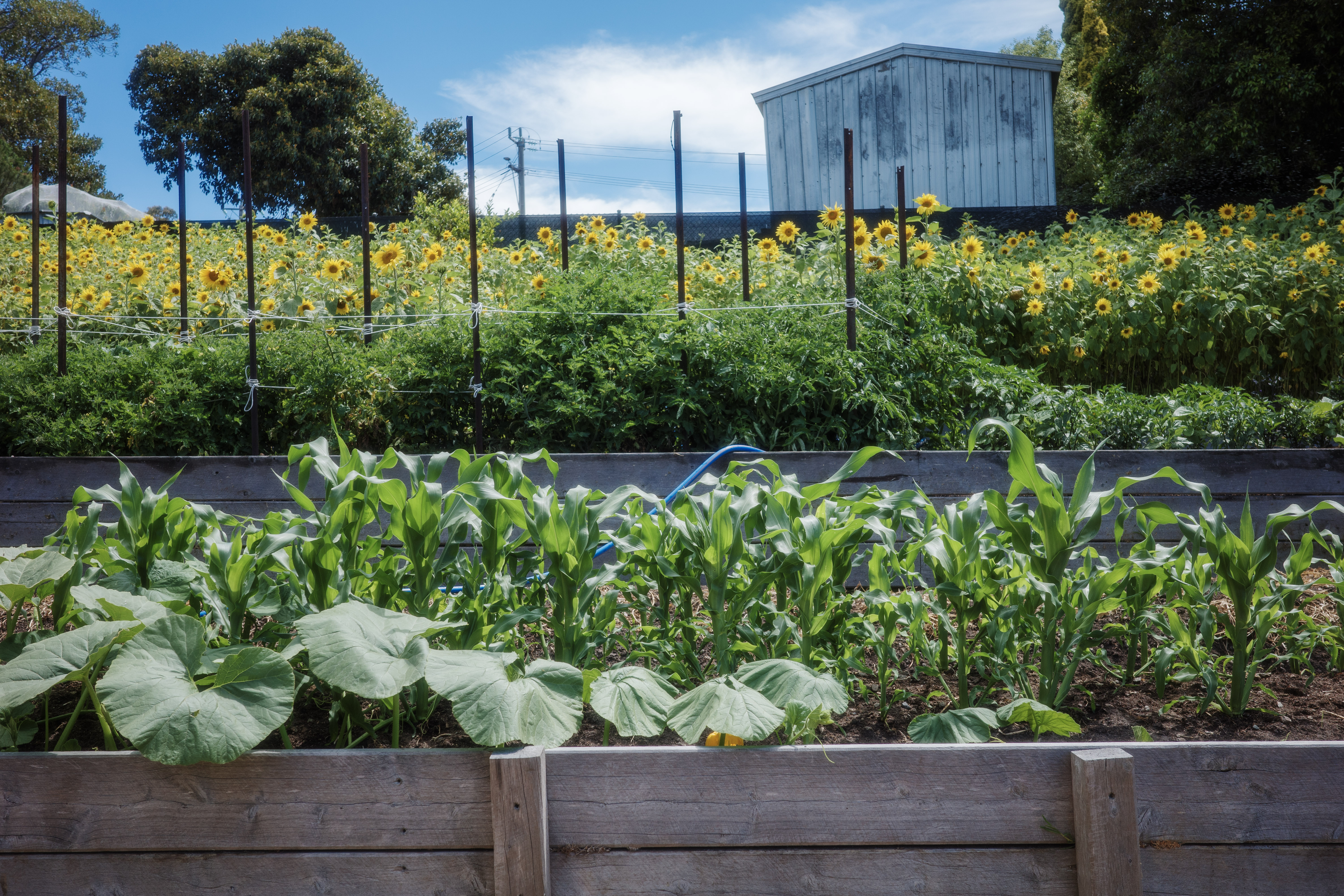
Gardening can often feel like a persistent conflict between heart, mind and reality. The heart wants to feed the soul with beauty, the mind wants wholesome nourishment for the family and then there are practical limitations. But what if all three can be reconciled? What if there are options for affordable soil management, productivity and beauty all at once?
By now we all know that the key to good food, a happy soul and an abundant biosphere is the richness of our soil. Cover crops present, without a doubt, the most effective, rewarding and affordable soil amendment one can find. Here are some examples and a brief overview of the potential benefits they can bring to both your soil and your home.
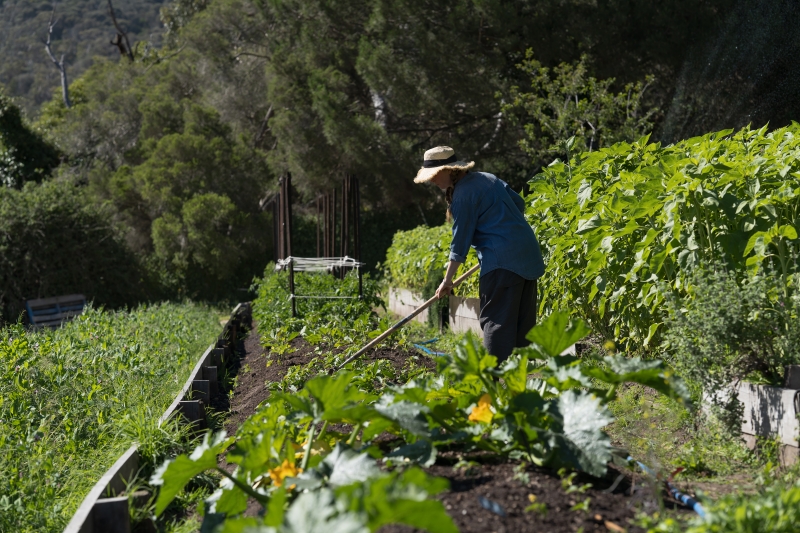
First, let us talk about legumes. Renowned for their amazing ability to fix nitrogen into the soil, making it bioavailable for subsequent plantings, many are also kitchen staples around the world. It needs to be noted that generally cover crops should be terminated before they go to seed. This ensures maximum energy and nutrient input into the soil, rather than diverting it to seed production.
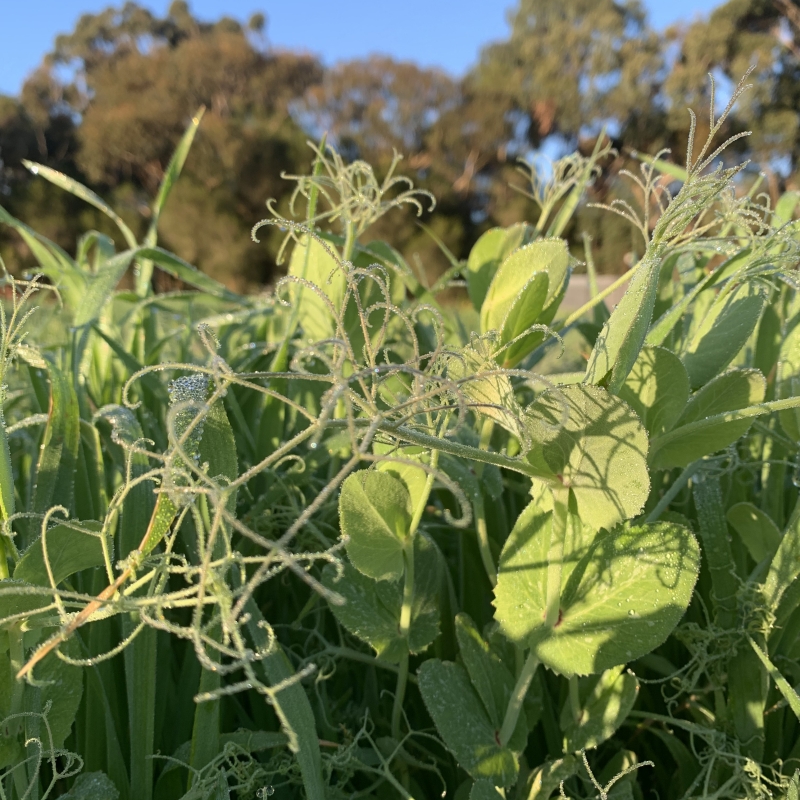
Peas nonetheless offer a delicate harvest throughout their growing cycle, presenting their young tendrils and flowers for a beautiful salad addition. We all know how quickly things can get away from us, in which case you can help yourself to all the pods you can find, including a delicious supply of snow peas if you choose those as your cover crop.
The same goes for broad beans; these also have tasty new growth and flowers. Look away for a moment though and the young pods that form can be steamed and eaten whole. On top of that, broad beans offer a generous amount of biomass to dig back into the ground. For use as a cover crop, opt for dwarf pea varieties as they will eliminate the need for trellising. For extra ornamental value, choose the gorgeous ‘Crimson Flowering’ broad bean.
Besides replenishing our soil after growing heavy-feeding vegetables, cover crops are also a great way to manage potential soil-borne pests and diseases. This is where so-called biofumigant crops come in. Excellent edible biofumigants are mustards (be sure to choose a culinary variety!), mizunas and roquette. Not only are they a preventative treatment, but their medium-sized tap roots help recover nutrients from somewhat deeper soil layers. Should that not be convincing alone, they are so fast-growing that one can usually squeeze them in for a quick soil treatment and salad supply while the winter seedlings are still coming up in their punnets. One drawback of these members of the brassica family is that they can abruptly bolt to seed in warmer climes. Should that happen, don’t be shy to add those beautiful yellow, slightly spicy flowers to your salads.

Free shipping on seeds
Spend $60 on seeds in our online shop and earn free shipping until June 30

For compacted soils and a slightly longer timeframe, daikon radishes do all the heavy lifting. In this case the tap root swells up, adding pockets of aeration, extra biomass and a tasty pickle to the list of benefits.
Should brassicas alone not be ornamental enough to please the heart, try sprinkling some phacelia seeds throughout. These not only help recover nutrients and suppress weeds, but also add beautiful frilly, nectar-rich flowers to the mix, to which no photograph can truly do justice.

One final mention goes to chicory. Its long taproot draws nutrients from the deepest depths to the surface, while glossy, round leaves appear above ground. These slightly bitter leaves are often eaten in Mediterranean diets and the roasted root makes for a popular coffee alternative. Chicory is a biennial, so if the season turns out busier than expected, they won’t hold it against you. Instead, you might just feel rewarded by a generous display of blue daisy-like flowers.
Did these prospects make the heart sing and the mind boggle? Just wait until spring, when sunflowers will surely top the list of seasonal cover crops. Whether one square metre or ten, your garden will thank you for it. Do not hold back, mix and match to your heart’s desire and, above all, be sure to generously indulge in the future rewards.

Shop green manure
Browse the Diggers Club range of green manure and cover crops online