

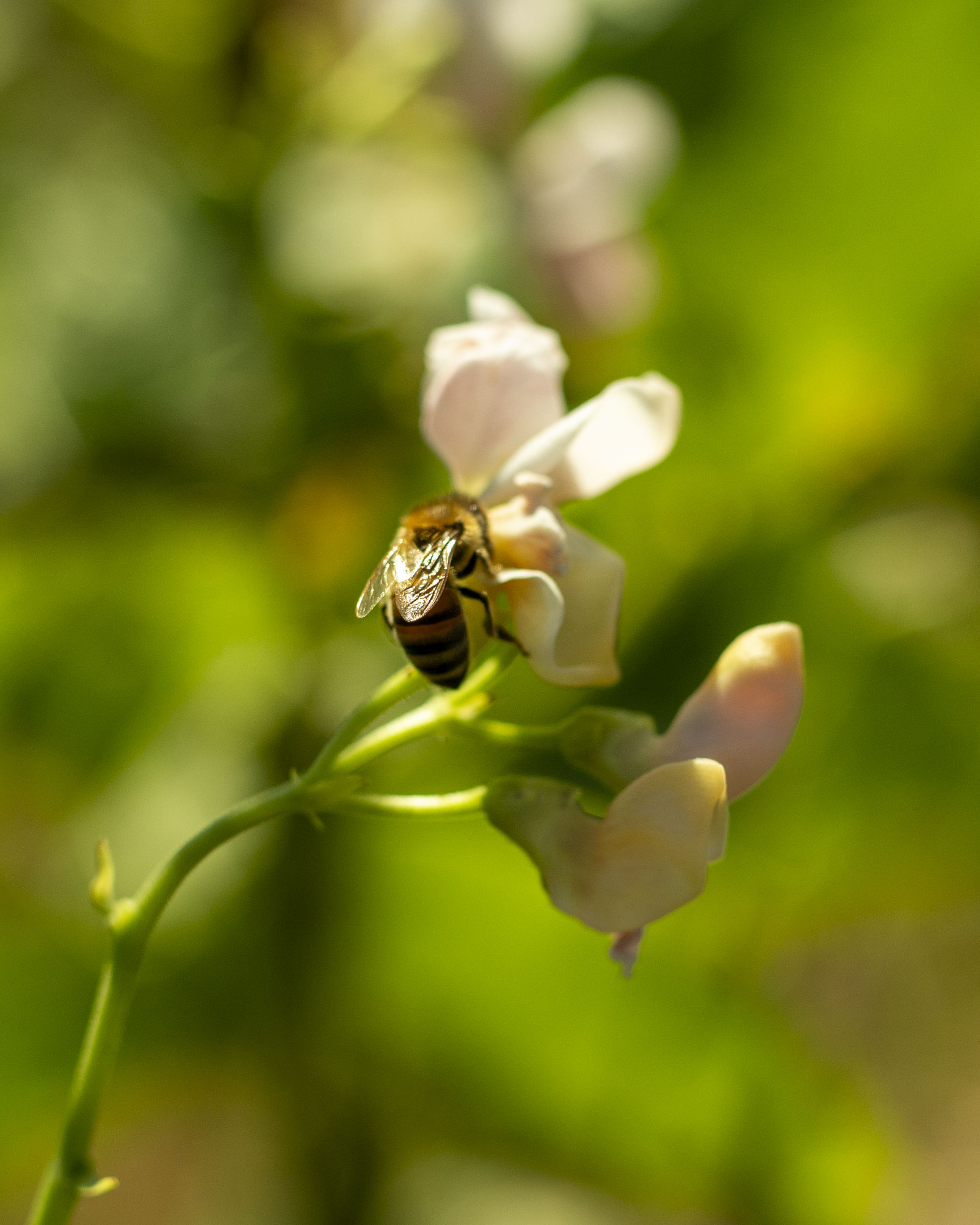
The Pollination Security Status Report 2026 is the first national holistic assessment of pollination security in Australia. Produced by the Wheen Bee Foundation as part of the Australian Pollination Strategy project, the report brings together agriculture, ecosystems, biodiversity and community values to provide a single picture of how pollination functions across regions and landscapes.
Australian Pollination Strategy Program Manager, Tracie Armstrong, said pollinators are an essential connection between plants, wildlife and healthy ecosystems. “Pollination is a fundamental ecological process that allows plants to reproduce, maintain biodiversity and support the ecosystems that depend on them,” Ms Armstrong said.
For gardeners, the importance of pollination is easy to see. Flowering plants rely on pollinators to produce seeds and fruit, while nectar, pollen, fruits and seeds provide food for insects, birds and mammals. Healthy plant communities also help landscapes recover from pressures such as drought, bushfire and climate change.
Australia relies on managed honey bees, feral honey bees, wild native pollinators and alternative managed pollinators to provide essential pollination services. Together, these insect pollinators underpin agricultural production, biodiversity and ecosystem health. However, the systems that support them are under increasing pressure from habitat loss, changing flowering patterns, climate change and the devastating arrival of varroa mite.
“Every Australian garden can be part of the solution by creating places where pollinators can feed, nest and thrive,” Ms Armstrong said.
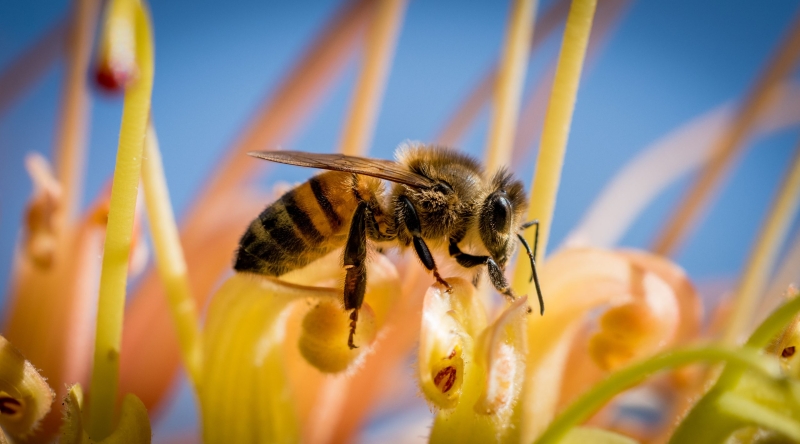
How gardeners can support pollinators:
Plant a diversity of flowering plants to provide nectar and pollen throughout the seasons.
Choose flowering plants that attract and support pollinators.
Include habitat features such as hollow stems and bare soil to support both cavity and ground-nesting insects.
Reduce pesticide use and choose gardening practices that minimise impacts on beneficial insects.
Grow flowering herbs, vegetables and fruit trees that support both gardeners and pollinators.
If keeping honey bees, ensure hives are registered and monitored for varroa mite in line with state biosecurity requirements.
Gardeners have an important role in shaping the future of pollination.
“Gardeners see changes in their local environment every day,” Ms Armstrong said. “Their observations can help identify opportunities to protect pollinators and strengthen pollination across Australia.”
The Australian Pollination Strategy is a five-year national initiative led by the Wheen Bee Foundation in collaboration with industry, research institutions, environmental organisations and government stakeholders. The project aims to strengthen pollination security through improved coordination, evidence-based planning and long-term strategic action across both agricultural and natural systems.
Have your say
Read the Pollination Security Status Report 2026 and have your say by submitting a consultation response. Submissions close 30/9/26.