

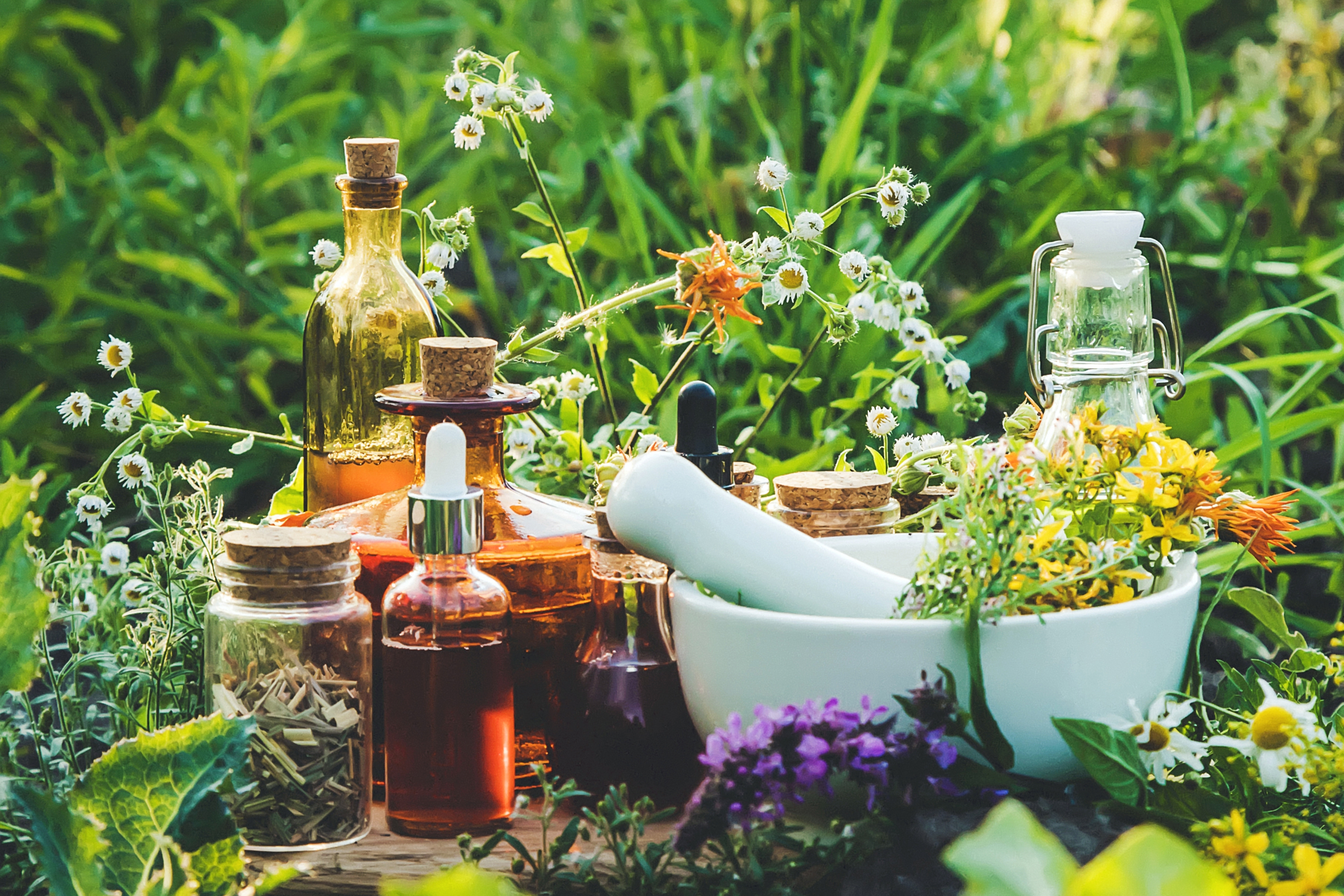
We all know the joy of harvesting vegetables, fruit and flowers that we have tended from a tiny seed. There’s nothing quite like a handful of ripe raspberries that never make it back to the kitchen, or snow peas snapped straight from the vine and eaten while weeding. And then there are fragrant herbs, picked fresh from the garden, to pep up a humble midweek dinner.
But have you ever thought about using the herbs you grow for more than cooking, or even just for a soothing cup of tea? Do you turn to the garden when you’ve strained a muscle shovelling compost, when an itchy rash appears after a long day of weeding, when you’ve overdone it at dinner and your stomach’s feeling the strain or when winter brings scratchy throats and runny noses? The herbs in our gardens can extend the usefulness of our growing spaces well beyond the plate and into everyday life.
A medicinal garden needn’t be grand or complicated. You might find that some of these herbs are already growing in your flower beds, or that you’ve been waging a quiet war to remove them from your lawn or vegie patch. It’s really about cultivating a small collection of plants that quietly support the everyday ailments many of us and our families experience, and reconnecting with the old idea of the cottage garden as a living apothecary.
Your medicinal garden can be as simple as tucking a few herbs into your vegie patch as companion plants, intermingling yarrow, echinacea and agastache into a perennial border, building a herb spiral from recycled bricks and pavers or placing a collection of pots on a balcony or veranda for tea ingredients close at hand. It can be as intentional as creating a dedicated apothecary bed with formal rows, gravel paths or a traditional cartwheel design. Remember to include a simple seat or quiet nook, inviting you to pause among the plants and turning the space itself into a restorative part of the garden.
When deciding what herbs to add, think about how you would like to use them and group them by purpose:
Sweet Dreams Garden to help wind down at the end of the day, planted with lavender, chamomile, lemon balm and California poppy.
Mind-Full Garden for focus and clarity, brimming with rosemary, basil, tulsi, peppermint, brahmi and gotu kola.
After Dinner Patch to ease cramping and soothe digestion, with fennel, peppermint and bee balm.
Beauty Bed featuring roses, calendula and elderflower for skin-loving oils, facial mists and steams.
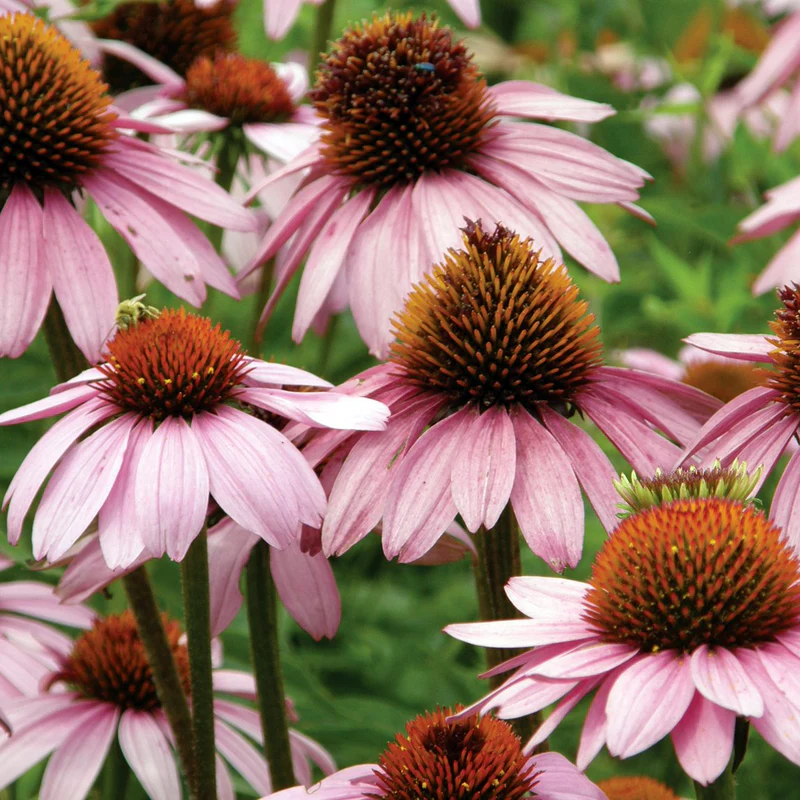
Resilience Garden to see you through winter’s blocked noses and sore throats, with horseradish, thyme, licorice and sage, alongside immune-supporting echinacea, garlic and oregano.
Gardener’s First Aid Patch, including yarrow, calendula, aloe vera and comfrey for bruises, scratches, thorns and insect stings.
Consider each herb’s growth habit too. Some are reliable perennials – echinacea, feverfew and agastache returning year after year. Peppermint, comfrey and yarrow, generous as they are, can quickly take over if not contained. Others, like marshmallow, appreciate a little room to stretch tall. And some chamomile, calendula, fennel and California poppy, will happily self-seed, popping up wherever they please, often beyond the spot you intended.
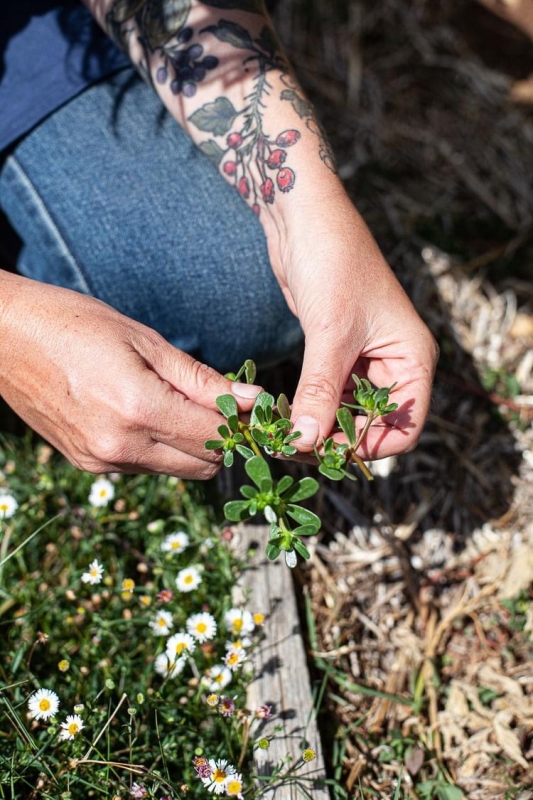
Don’t forget the so-called weeds quietly making themselves at home. Dandelion, nettle, chickweed, plantain, lawn daisy and cleavers (yes, the sticky weed you’ve been madly pulling out!) all have edible or medicinal virtues too. Consider containing them to specific parts of the garden by harvesting and preparing them before they set seed.
A medicinal herb garden quietly supports not only our wellbeing, but also the wider garden itself. Yarrow helps keep pesky insects at bay and makes a brilliant compost booster. Chamomile can be brewed as a strong infusion to care for seedlings and prevent fungal issues, while comfrey leaves steeped in water become a nutrient-rich tea that hungry plants love. Echinacea, calendula, bee balm and lavender attract butterflies, bees and other pollinators, while their flowers and foliage add colour, texture and fragrance, turning beds into spaces you want to linger in.
Start with just a few herbs and begin weaving them into your daily life. As your plants grow and mature, so too will your knowledge and confidence. Sometimes, the medicine isn’t just in the remedies themselves, but in the simple acts of tending, harvesting and pausing with a cup of tea, watching bees drift through flowers.
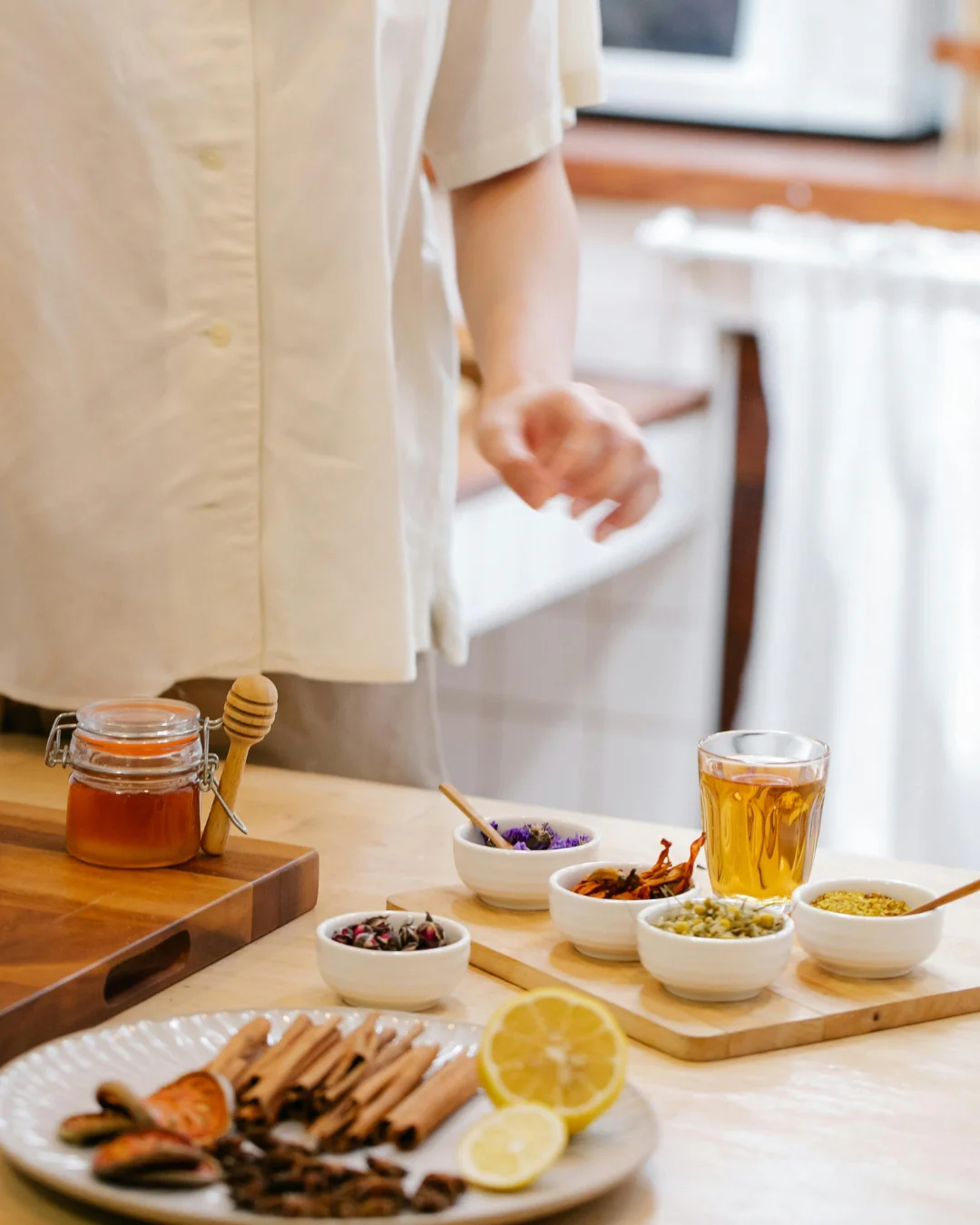
Workshops with Caroline
Join Caroline's upcoming Diggers Club workshops, including Wild Winter Remedies and Herbal Honey.