

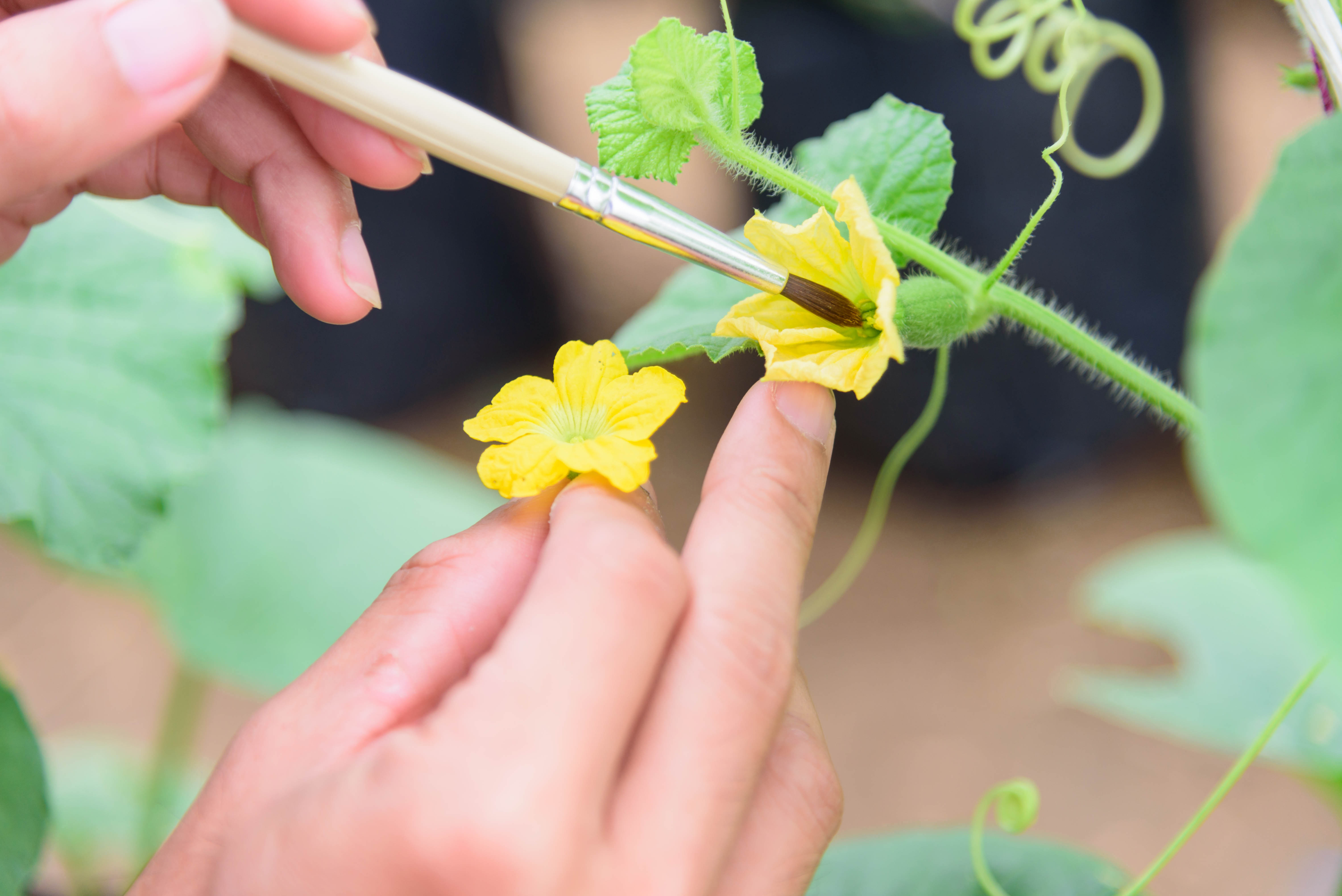
You’ve planted your zucchinis and pumpkins, the plants are growing beautifully, you’re full of anticipation for a bountiful harvest and then… flowers appear, but no fruit. What’s going on?
The answer could be pollination – or lack of it!
Pollination is simply the movement of pollen from one flower to another, allowing the plant to produce fruit. Most of the time, bees and other pollinating insects take care of this for us. But with a decline in pollinator populations, or if you’re growing in a greenhouse or indoors, and even when the weather is cold, wet or windy, you can definitely give your plants a helping hand. The good news? Hand pollination is easy.
Which plants need a helping hand?
Hand pollination is particularly useful for zucchini, pumpkins, cucumbers, squash and melons. These plants are known as monoecious, producing separate male and female flowers on the same plant. Other plants, like asparagus, kiwifruit, and some varieties of spinach, are dioecious, with male and female flowers on separate plants.
The easiest way to tell the male flowers from the female is to look behind the flowers. A female flower has a tiny baby fruit swelling behind it. On a zucchini, it will look like a miniature zucchini. A male flower will look distinctly different, having a long, thin stem and no baby fruit sitting behind it. For successful pollination, you need pollen from the male flower to reach the centre of the female flower.
The best time to hand pollinate is first thing in the morning, when the flowers are open and fresh.
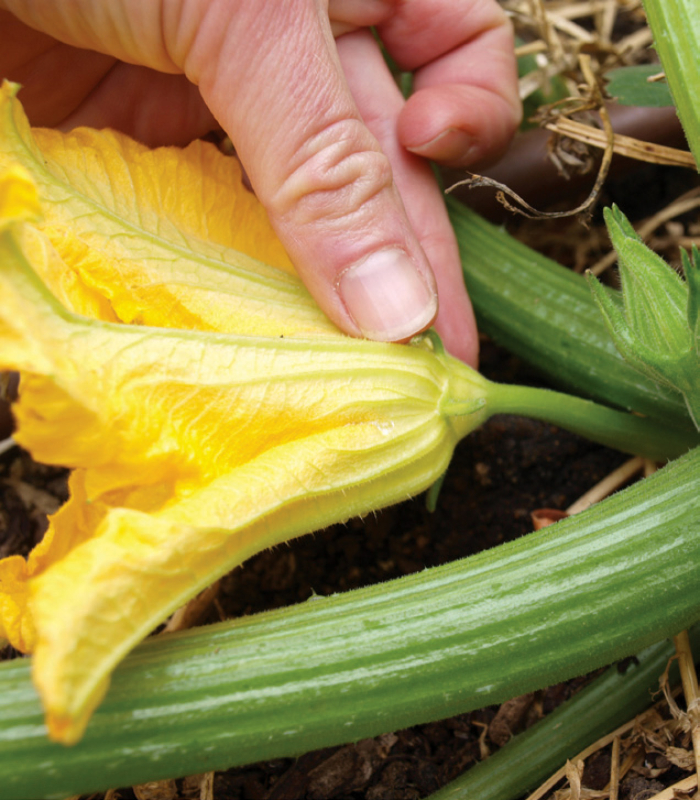
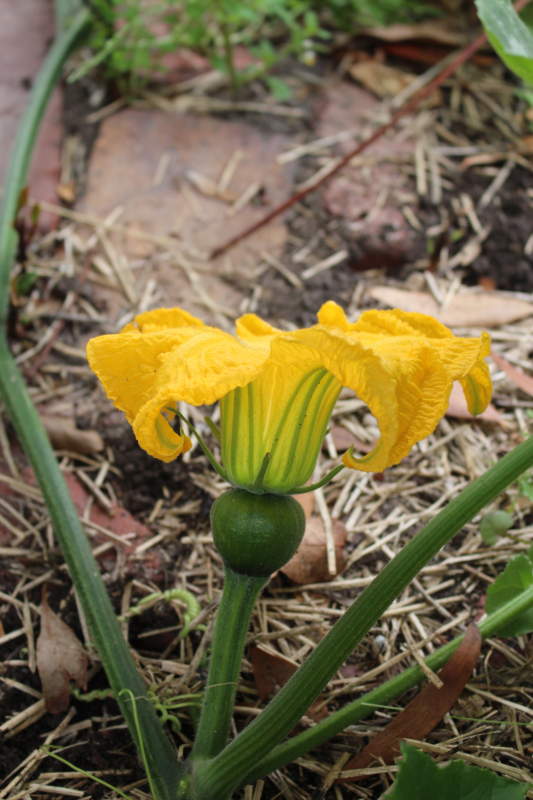
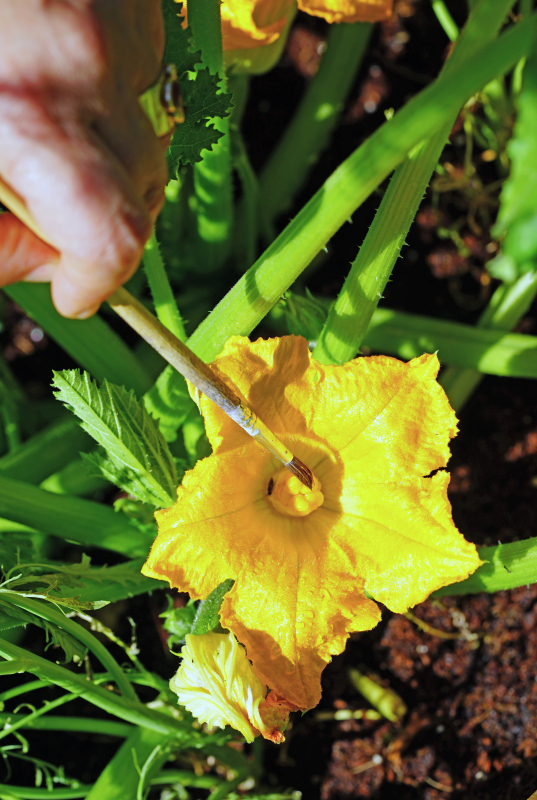
If pollination is successful, the little fruit will continue to grow over the following days. If it hasn’t been pollinated, it will stop growing and eventually shrivel.
When flowers need a little shake up
Tomatoes, capsicums and chillies are self-pollinating, meaning each flower contains the parts needed to produce fruit. These are known as bisexual or perfect flowers, containing both male and female reproductive parts. However, the pollen still needs a little movement to help it transfer within the flower. If your plants are flowering but not producing fruit, gently tap or shake the flower stems every few days.
Here’s a handy trick: an old electric toothbrush can help too! Remove the brush head so you are left with the vibrating handle. Make sure the toothbrush is clean and dry, then switch it on and gently touch the vibrating end against the flower or flower truss for a second or two. The vibration mimics the buzz and movement of bees and other pollinating insects, helping to release the pollen within the flower.
Which crops can look after themselves?
Beans and peas are largely self-pollinating. Their flowers usually pollinate before or as they open, without any assistance from gardeners or insects. Other common self-pollinating crops include eggplant and many types of lettuce. While insects may visit these flowers, hand pollination isn’t needed for a healthy harvest.
Let the bees do the work
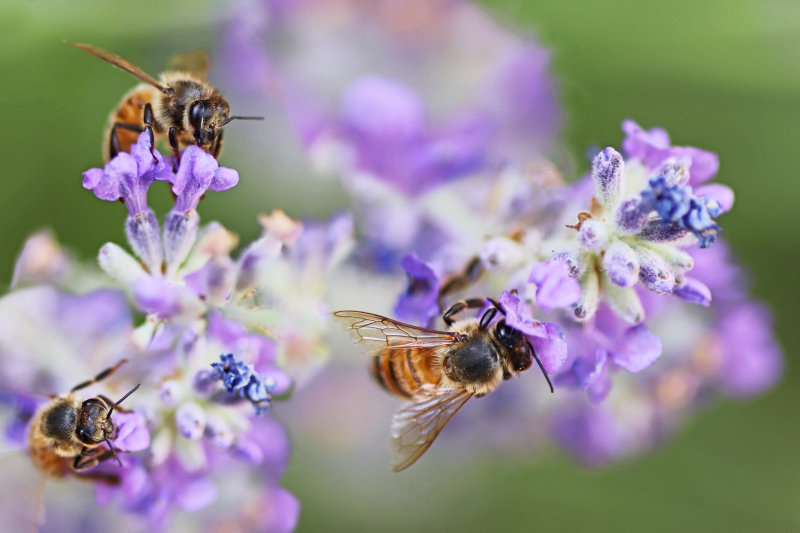
Hand pollination is a useful trick, but don’t forget about your garden’s natural pollinators. Planting ‘companion plants’ with flowers such as calendula, borage, alyssum, cornflowers and echinacea around your vegetable garden provides food for bees and other beneficial insects. A garden full of flowers is not only beautiful – it attracts all sorts of beneficial insects to aid pollination and create a more productive vegie patch and orchard.
So, if your garden is full of flowers but very little fruit, don’t give up. Take a closer look, pick up a paintbrush and try hand pollination. Sometimes, just like we gardeners, your garden vegies need a little helping hand.