

There’s an old saying that humanity only exists because of six inches of topsoil and the fact it occasionally rains. Humans get 98–99% of all our calories from the fact we have topsoil, so it seems less a cliché than a call to arms.
It begs the question, however, what is food? The process of photosynthesis means a plant can turn carbon dioxide and water into carbohydrates; a plant makes energy in digestible form out of thin air. In fact, all our macronutrients – fats, proteins and carbohydrates – are all made out of gases in the air – hydrogen, oxygen, nitrogen and carbon dioxide (though most of the hydrogen we actually get from water). So, it would appear that a plant doesn’t really need soil to feed us.
The truth, we now know, is remarkably more complex. We need more than just fat, protein and carbohydrate to live, particularly to live our best lives. We need vitamins, minerals, and we need micronutrients, many of which remain scientifically elusive.
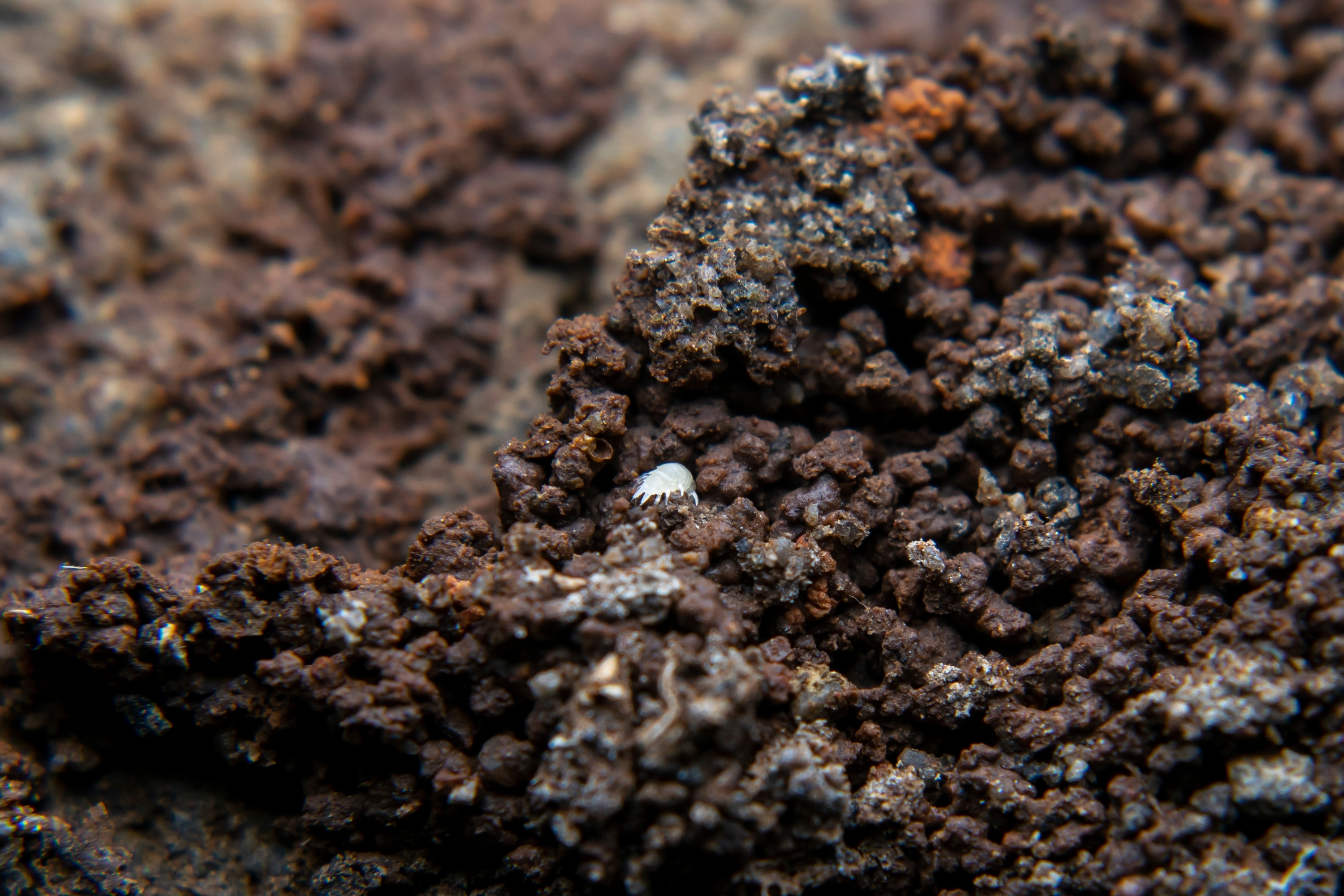
To get a grip on what soil does for us, we need to understand what soil is. The bulk of it is made up of rock minerals: crystals of sand, silt and clay. But that’s just dirt. Soil is a living superorganism, home to an incredible ecosystem and houses more than half the biodiversity on the planet. From worms to springtails, from nematodes to fungi and microbes, soil is made of living things plus things that were once living: organic matter, essential carbon molecules. Soil holds more than four times the carbon than all the plants and animals on Earth put together.
Living things in soil matter in many ways. Plants don’t eat dirt and can’t readily access minerals, things such as iron or copper, on their own. A plant’s roots seek out things it wants from soil, but it needs them solubilised, so in a digestible form. Living soil is a wonder of life, death and sex, with the biochemical results of this hotbed of activity becoming plant food. A plant’s roots also don’t reach far enough; it needs transport mechanisms – things such as worms, mites and pauropods – that can move through soil at speed.
When a plant grows, it actually feeds the underground ecosystem. On average, about 30% of photosynthetic sugars created by a plant aren’t used to build or protect itself. If a plant wants something from soil, it can send messages (and payment for nutrients) by dribbling these sugars down through the root tips. Often the message is passed to a fungus, as many plants have intimate relationships with fungi that coat the ends of the roots. These pass nutrients in both directions – carbon-based molecules to the soil organisms, and rock minerals and other compounds to the roots. When we use fungicides, or disrupt soil life too much, the ability of the plant to do this suffers. Similarly, if we use synthetic fertilisers, plants get their macronutrients (nitrogen, phosphorus or potassium), but can miss out on the micronutrients as inorganic fertiliser tends to shut down plant and soil biology.
We now know soil matters even more than this. A plant actually is a microbial host, in the same way that humans are. A plant can be 70% microbes, the majority of which are bacteria, but there are also fungi, protists, viruses and even nematodes. Most of these are our friends and are supposed to be there. The hot spot for these microbes in us, our microbiome as it’s called, is in our gut, and generally the higher variety and number of microbes, the better. The microbiome of the gut directly impacts our brain and immune system.
In the exact same way, soil’s microbiome has a hot spot around plant roots: the rhizosphere, which some describe as being like an inverted gut. Like us, plants need those microbes to help digest their food, and like us, these microbes also play a role in plant immunity and growth.
Many soil microbes, of which there can be ten billion in a teaspoon of soil, are important in human health as they mirror our gut biome. So too the plant microbes – they have a role in our own proper functioning, in part because soil microbes are often plant microbes. In fact, researchers are trying to work out how everyone can access soil’s biome in urban areas to help reinvigorate our immune systems.
That’s because not everybody has a garden, or can garden. So how do those removed from soil receive the benefits? Well, it turns out that if a plant is grown in healthy, living soil, it keeps a library of those microbes on itself. If you eat an organically grown spinach leaf, it can have 600 species of bacteria on it, including mycobacterium vaccae, which has been shown to have happy hormone effects on the brain (that’s why there’s hardly ever a grumpy gardener).
Plants also produce over 10,000 phytochemicals in their structure, some for communication, some to fight pests and disease, and the more they produce, the more nutrient dense the plants are. Those chemicals may form part of a plant’s immune system, but they can also work to help us fight disease, too.
Does science back up the relationship between healthy soil and nutrient dense, or healthy food? Research that says there’s no nutrient difference between organic and conventionally grown produce often focuses on the major micronutrients: vitamins and minerals. But there’s a whole plethora of other bioactive compounds in food that also play a role in nutrition – those phytochemicals and exudates a plant makes – but you don’t read them on the side of your Weet-Bix packet, because they’re harder to study, and it’s not in the interests of big producers to look into.
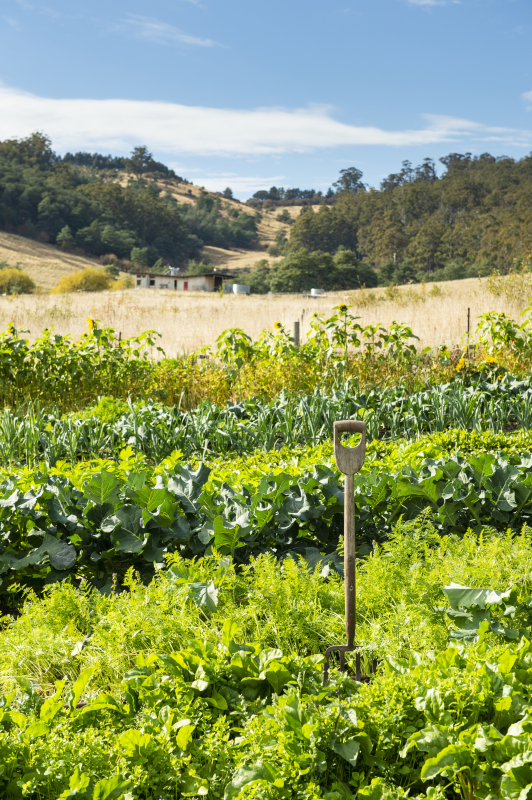
However, research by the Bionutrient Food Association in the U.S. has shown that plants grown in biologically active soil can have multiple times more of these bioactive compounds in them. Interestingly, their results don’t support any particular growing style (e.g. organic) as the defining criteria. Organic food can be grown in biologically impoverished soil, and conventional agriculture could prioritise soil life. And it’s this criterion that has been shown to be the difference. If you want more antioxidants in your carrots, grow them in living soil. If you want a greater array of phytochemicals in your chard, and to get the most out of every mouthful of food you eat, then grow it in biologically active soil.
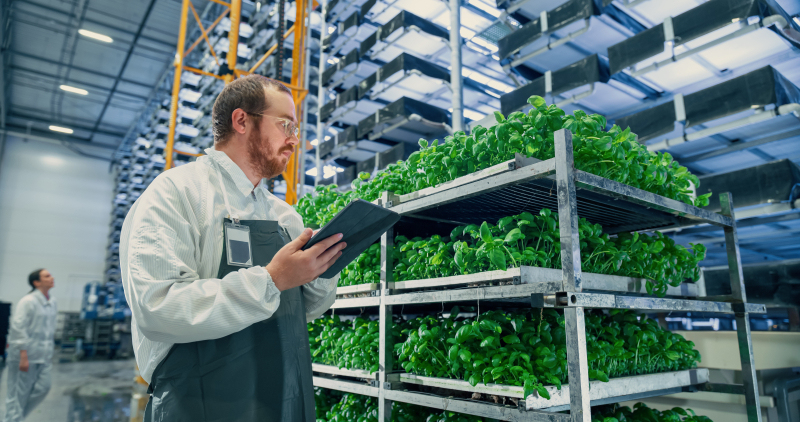
So, what happens to food when it’s grown in the absence of soil? The results, scientifically, are perhaps surprising. Multiple studies have shown that there can be higher levels of certain micronutrients in hydroponically grown produce, things such as vitamin C or vitamin E. Other studies show certain chemicals are lower, such as isoflavones in soybeans. The theory is that a plant grown in a modulated medium (water, with access to essential nutrients) is less stressed and can put more of its growing effort into producing the micronutrient lycopene, for instance, in tomatoes.
This lack of stressors has an unintended effect. Many bioactive compounds are actually produced because of the challenges a plant experiences. A lot of these are polyphenols, and have not only a nutritional role, but also a flavour component. It’s been suggested that this lack of stress actually leads to less flavoursome (and probably less nutrient dense) food from hydroponics. For instance, one study showed that curly lettuces grown hydroponically had less lutein and beta carotene, from less carotenogenesis – so lower amounts of carotenoids, a group of over 1,000 chemicals that are precursors to things vital to human health such as vitamin A.
The other thing that hydroponically grown fruit and vegetables lack is that complex microbiome of a normal plant, and hence can’t inoculate us with beneficial bacteria. Hydroponically grown produce isn’t necessarily bad, but it’s not offering us the complete array of bioactive compounds that we’re designed for, or the microbial diversity we now know is so important for gut, brain and immune health.
Food, the growing, cooking and eating of it, is culturally important, and the more we learn, the more we realise that we are designed to grow and eat produce that has come from ancient systems; well-evolved synergies between soil, plant and us. It’s not essential to honour those things in the short term – shown by how whole cultures are now being fed predominantly on ultra-processed food made from ingredients grown with dubious attention to nutrient density. But in the long run, and in the bigger picture, food grown ignoring how plants, soil and animals interact is unlikely to do us or our planet much good.
Soil
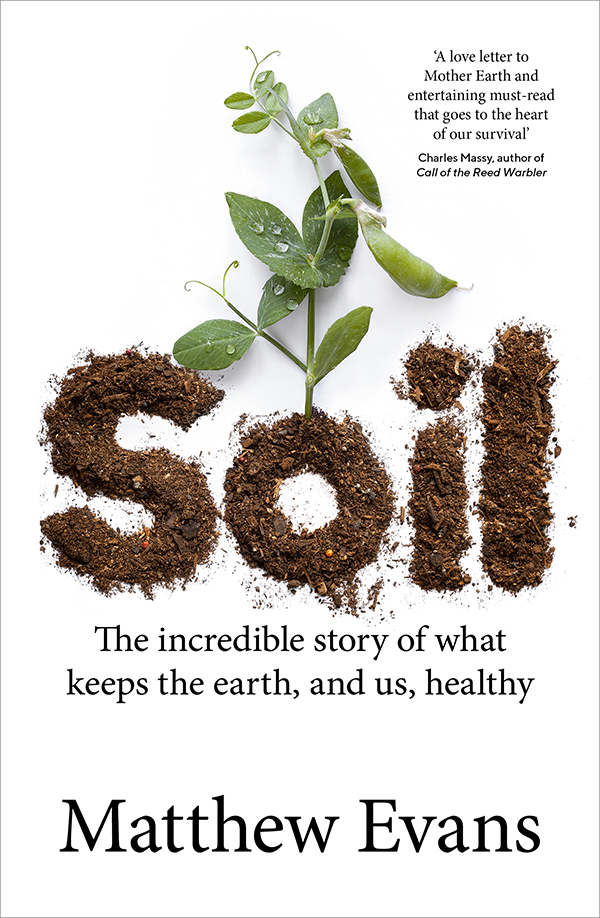
Matthew’s book, Soil The incredible story of what keeps the earth, and us, healthy, is available on the Diggers website.