

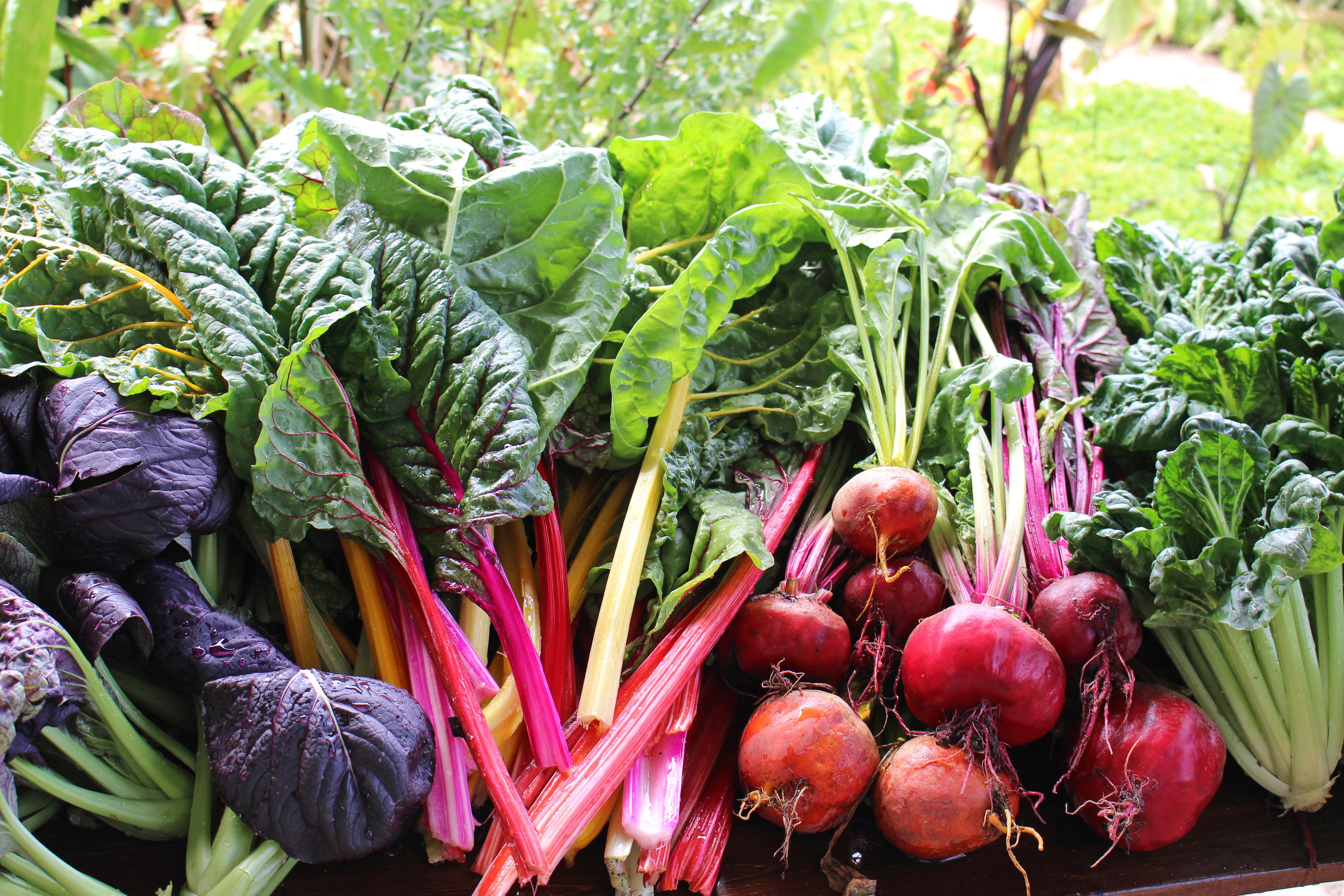
Large-scale monocrop farming, nationwide food distribution and importation of our seeds, food and energy needs all rely heavily on cheap and dirty fossil fuels. Synthetic fertiliser, used on a large scale to grow everything from our grains and cereals to fruit, vegetables and even livestock, is derived from petrochemicals or uses them during manufacture. Our reliance on fossil fuels for transportation, distribution and storage, makes our food supply susceptible to variation in oil prices and creating unnecessary pollution. Recent oil crises and supply problems, coupled with an increasingly unpredictable climate, are demonstrating the fragility of our food security, raising prices and making even a simple trip to the supermarket an expensive proposition.
In Australia it is estimated that almost half of the population, over nine million people, actively garden in some way. Growing our own food is more than a national pastime; it’s becoming a necessity. The traditional quarter-acre block was rooted in the idea of a ‘garden city’, recognising the need for people to have healthy outside spaces, gardens and a means to grow their own food. While modern living arrangements have favoured higher-density living, even a tiny backyard, balcony or windowsill can produce herbs, vegetables and food without needing a trip to the supermarket.
During times of crisis, wars, energy shortages and economic disruption, we have historically responded by localising our food supply. The ‘Dig for Victory’ campaign during WWII brought food gardening back into local communities in a big way. Locally grown, organic produce is not only more resilient in terms of supply chains and logistics, it also offers a healthier alternative to the industrially produced, chemically treated food of the ‘frack to fork’ model. It puts carbon back into the soil and, most importantly, returns control of our food supply to the people who eat it.
Today, planting our own garden is a proactive way to avoid supporting a war effort or someone else’s misguided idea of military victory. It gives us independence, resilience and hope – a way to regain control of our future and choose solutions that don’t rely on the violent extraction of mineral wealth from foreign countries or the pumping of toxic gases into the atmosphere. Fresh, clean food grown metres from the kitchen is a delight to the taste buds and a great way to secure hip-pocket savings. Growing our own is also a subversive political act – a way to escape the rotten system that brings us oil wars, pollution and climate crisis. Each seed we sow and every vegetable we harvest is a step towards a more sustainable, peaceful future based on a ‘fork to fork’ system of locally grown food.
Free shipping on seeds
Spend $60 on seeds in our online shop and earn free shipping until June 30