

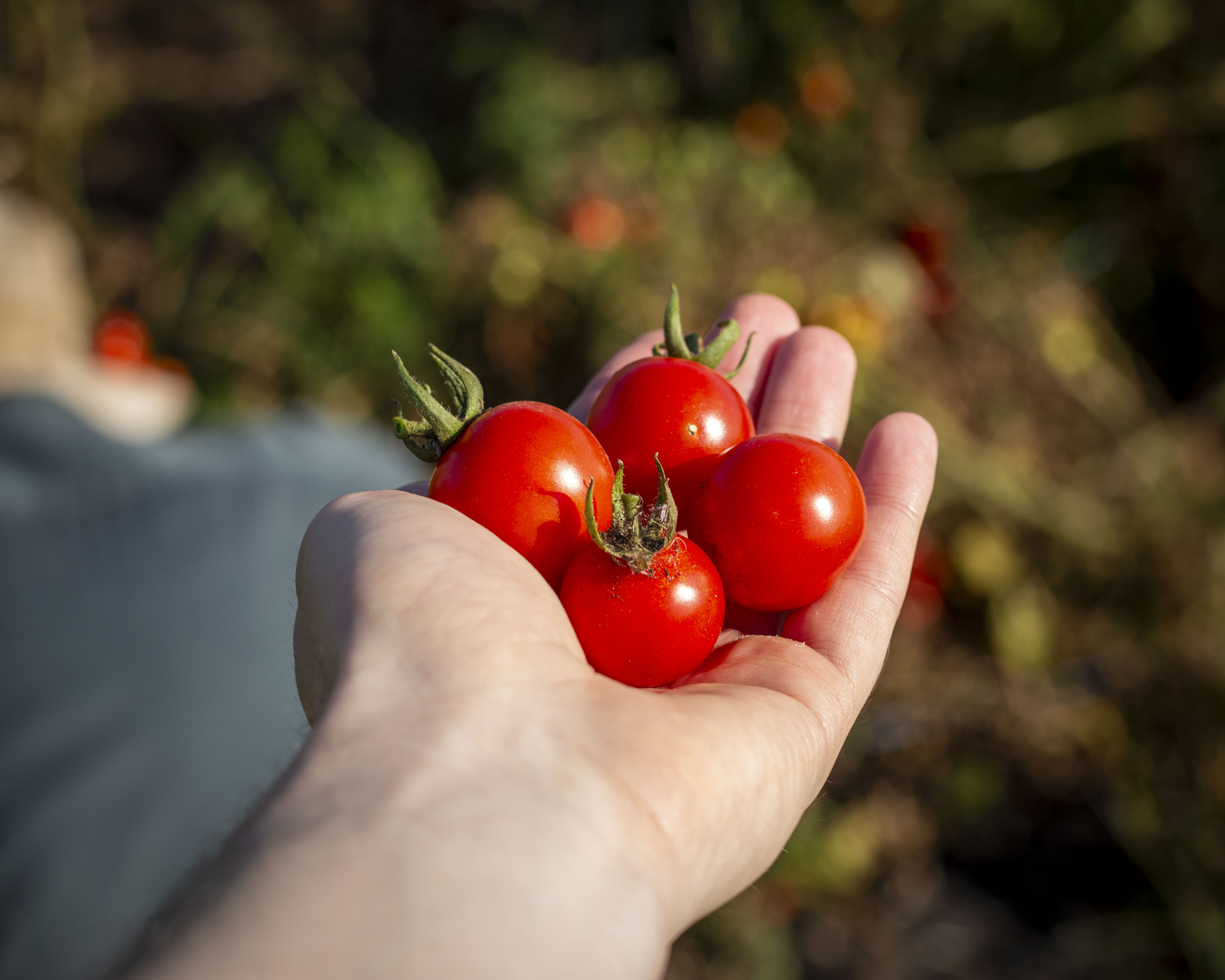
When you get into the swing of growing tomatoes, it becomes a seasonal addiction that’s hard to shake.
I remember our first serious haul of Roma tomatoes, some 30 years ago. The flavour blew our minds, and so did the potential. We had bucketloads of the beauties to fill the freezer, ready to use in our cooking. Ever since, tomatoes have taken centre stage in our spring patch. Every year the obsession grows a little more, the haul a little bigger, and these days we’re busy bottling our excess in batches. Once you’re hooked, you’re hooked for life!
Part of the joy of growing tomatoes is their sheer diversity. There are plump beefsteaks built for slicing onto a sandwich, meaty plum- and paste-type fruit for sauces and bottling, sweet little cherries for snacking straight off the vine and all-rounder salad tomatoes that sit somewhere in between. Then there’s the variety of colours, from deep red to sunshine yellow, green-when-ripe types, stripes and even black fruits.
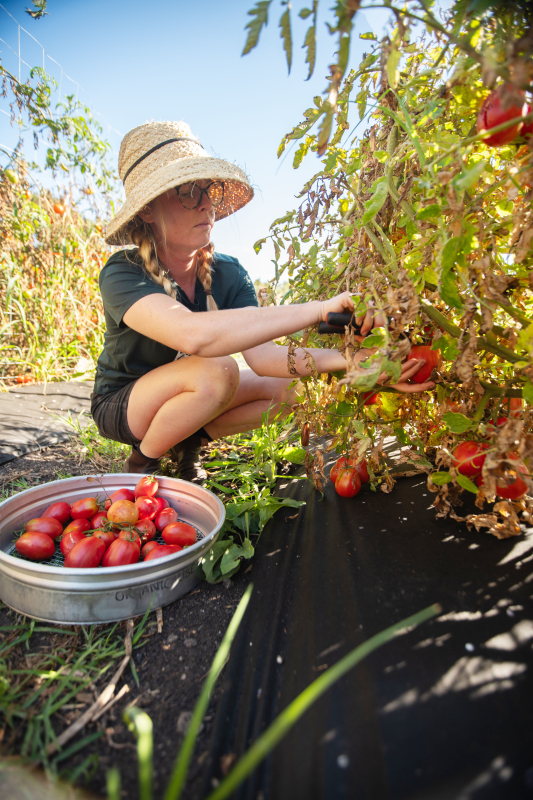
Each variety brings something different to the plate, and growing a mix means you’ve got options – one week you’re enjoying sliced tomatoes with olive oil, basil and balsamic, the next you’re boiling up a batch of passata for the pantry. Grow a few different types and you’ll never look at a tomato the same way again.
There’s a nutritional bonus to growing a colourful mix, too. Red varieties are particularly rich in lycopene, the antioxidant tomatoes are famous for. Orange and yellow types contain higher amounts of beta-carotene, while black and purple varieties bring anthocyanins to the table. Eat the rainbow!
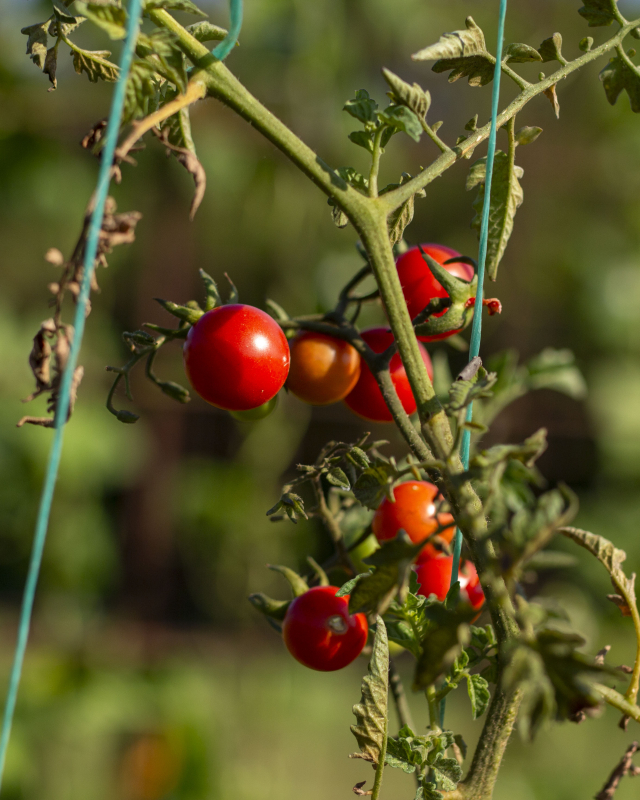
When you read up on tomatoes, you’ll also come across the terms determinate and indeterminate. Determinate, or bush, varieties grow to a fixed size, fruit over a shorter period and need minimal staking. They’re a good choice if you’re growing in pots or planning a big one-off harvest for preserving. Indeterminate, or vine, varieties are the most widely grown. They need a solid trellis or frame for training, and keep growing and fruiting until frost, heat or something else stops them.
Whichever you grow, close attention to watering can make all the difference to flavour and fruit quality. Water too little and fruit can split when there’s a sudden surge of moisture, while too much moisture from watering every day can dilute the sugars and acids that give tomatoes their punch. The best approach is to water deeply, not daily. After you give plants a good drink, let the top 5–10cm of soil dry out before rewatering, and keep that rhythm steady. Get this right and I promise you, you’ll taste the difference.
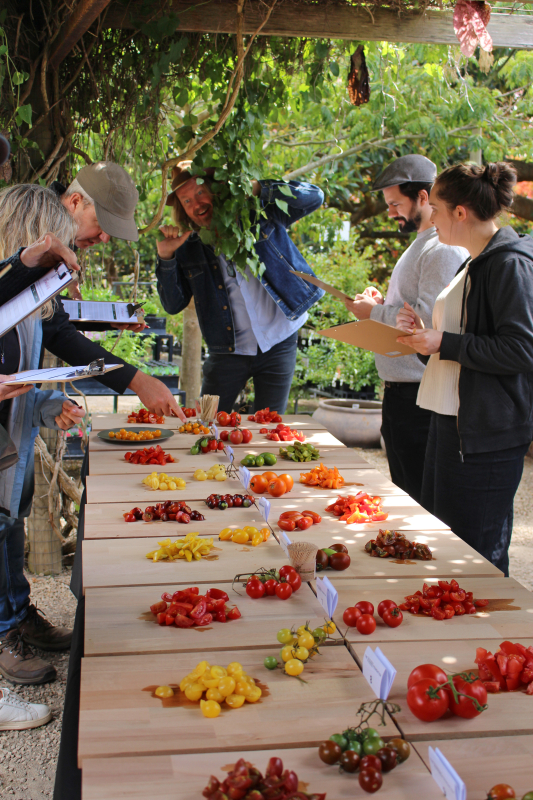
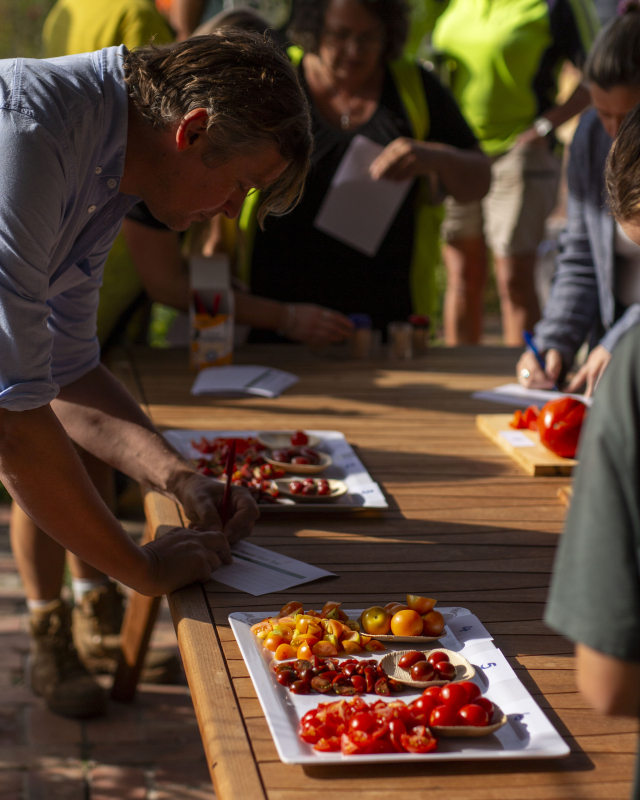
Tomatoes are the undisputed favourite of the home vegie patch, and nowhere is that passion more obvious than at the annual Diggers Tomato Taste Test. Diggers has been trialling and taste-testing heirloom tomatoes since 1993, building one of the most extensive heirloom collections in the country – some 70 varieties feature in this year’s Seed Annual alone – all to help gardeners find the best-tasting varieties for their local conditions. It’s all about keeping these old varieties, and the stories behind them, alive for future generations to enjoy.
Tomato growing basics
- When to sow: Cool region: Aug–Dec; Warm region: Aug–Dec; Hot: Apr–Nov; Subtropical region: Apr–Jul; Tropical region Apr–Jul.
- Position: Full sun
- Soil prep: Enrich with aged manure or compost and organic fertiliser.
- Water: Deeply, not daily; let the top 5–10cm dry out between waterings.
- Growing tips: Bury the stem at planting to encourage extra roots; space plants 60–80cm apart.
- Pests & diseases: Cover fruit trusses with exclusion bags to avoid fruit fly; remove diseased leaves promptly and bin, don’t compost.
- When to pick: Harvest as fruit begins to colour and finish ripening indoors, out of reach of hungry visitors.
After three decades of growing, I’ve settled on a handful of varieties I return to regularly, but I’ll always try a few new ones each year to see if they deserve a spot on my list.
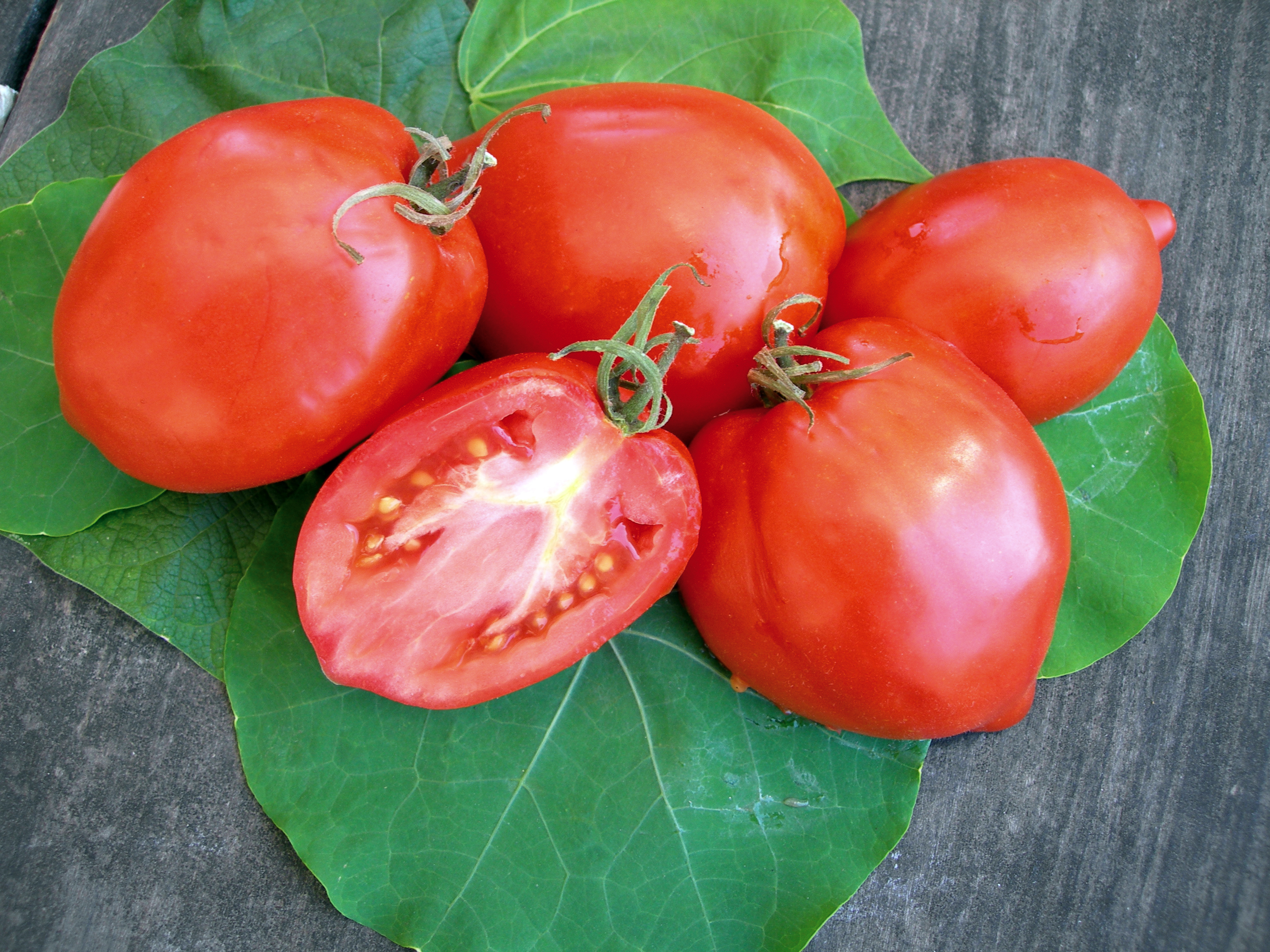
‘Amish Paste’
Meaty, coreless and low in seed, this heirloom from Pennsylvania is my go-to for sauces, pastes and bottling.
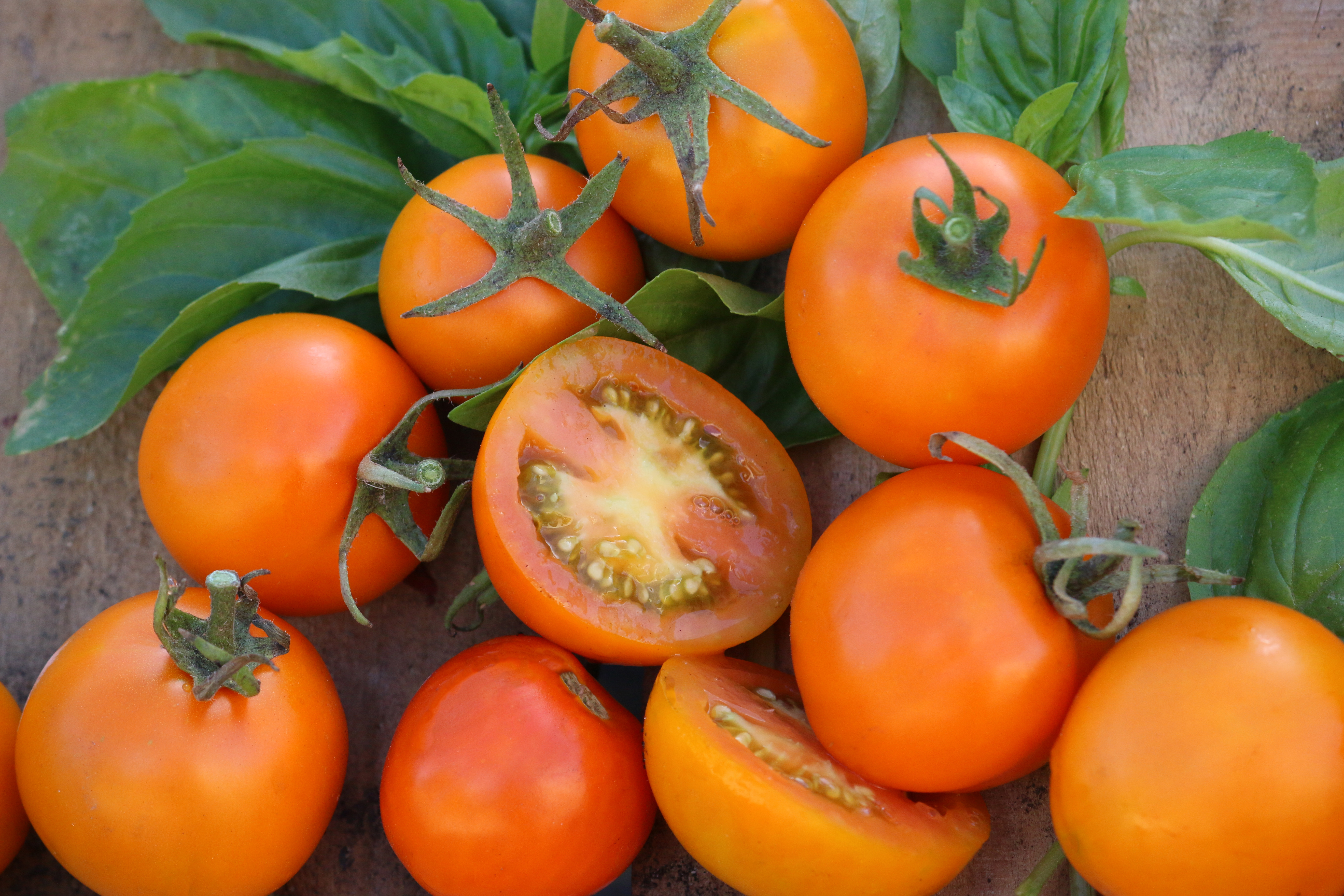
‘Jaune Flamme’
A French heirloom with thick yellow-orange skin and a lovely sweet-tart balance. Perfect for salads and colour mixes.
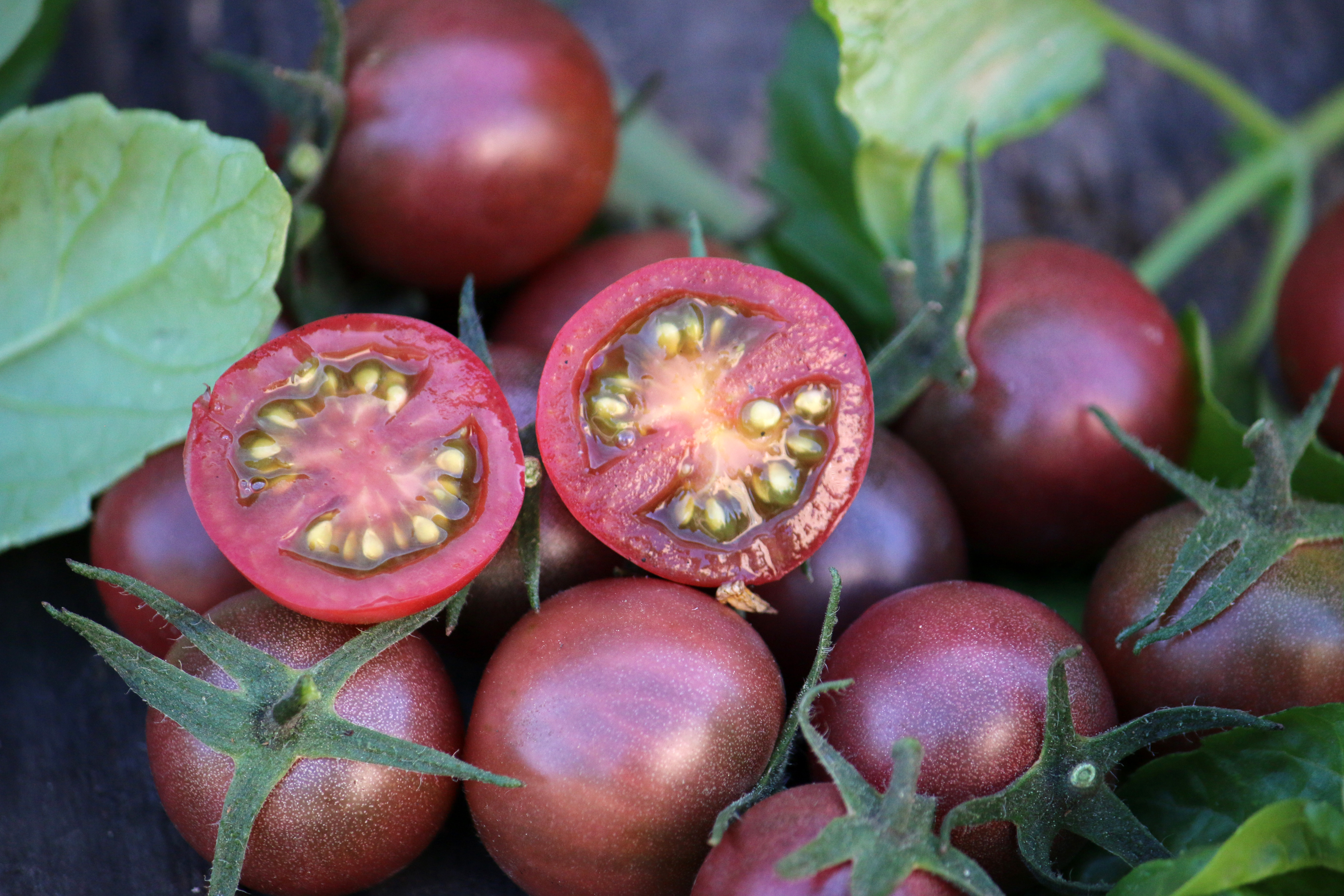
‘Black Cherry’
Winner of the 2024 Diggers Taste Test. Mahogany skin, deep red flesh and a rich, complex flavour. This one went straight to the list!
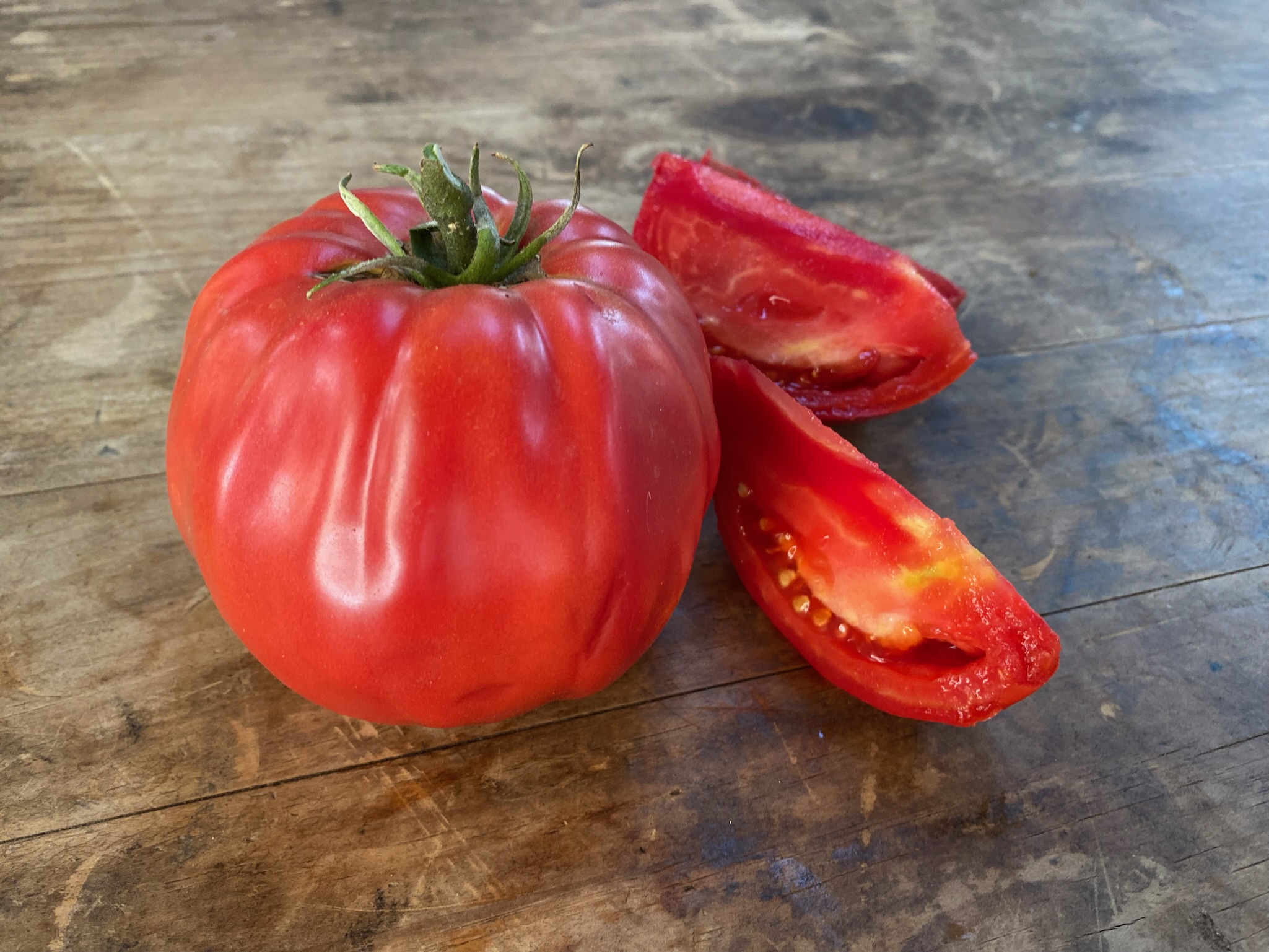
‘Nonna’s Italian Passata’
Large fleshy fruit up to 600g, grown from seed brought to Australia by an Italian Nonna. A passata classic.
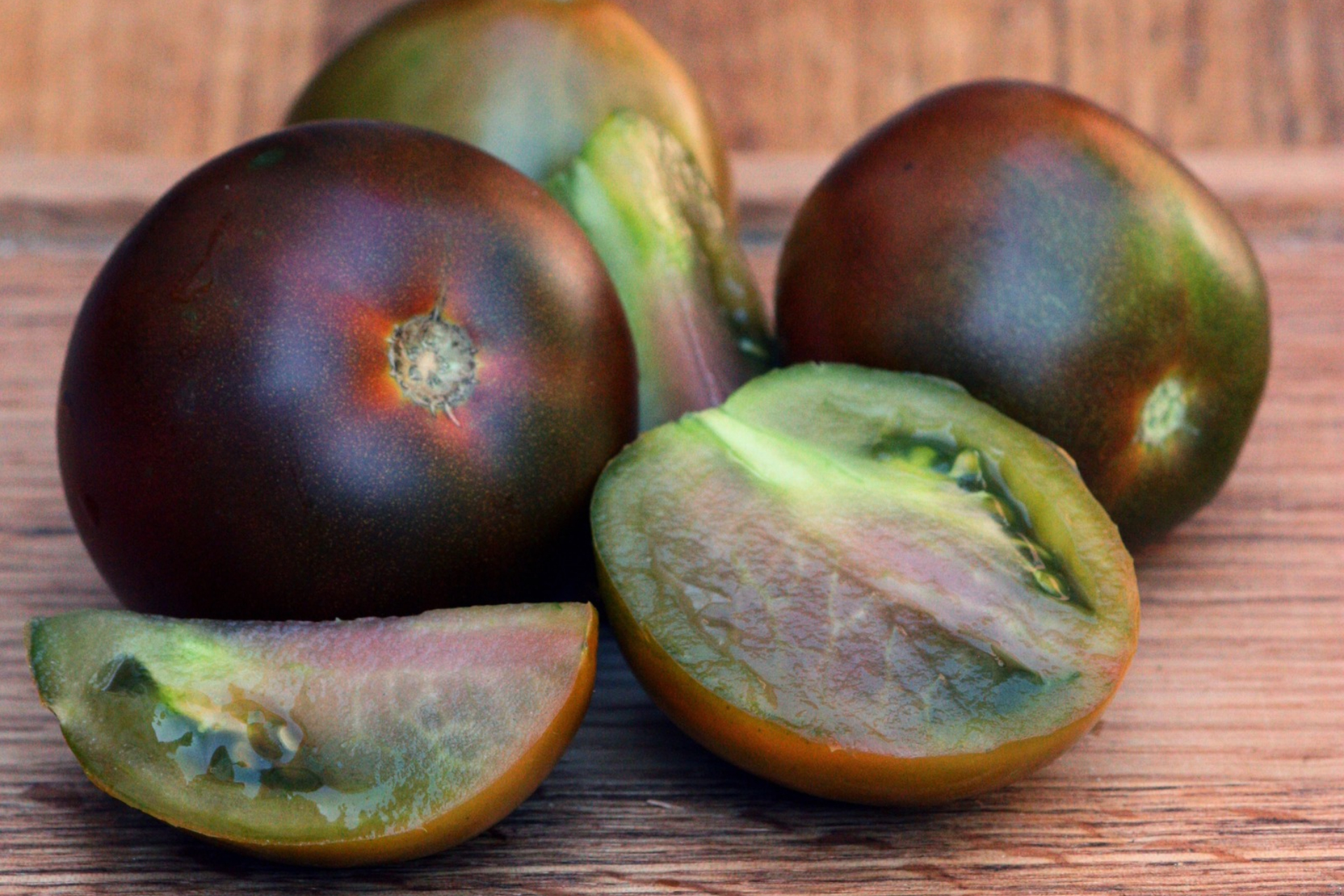
‘Black Russian’
A rich, smoky-sweet beefsteak with dark shoulders. Superb sliced fresh or roasted.